





Mango Leaf Extract Labels Guide: Extraction Methods & Ingredients

Mango Leaf Extract Labels Guide: Extraction Methods & Ingredients
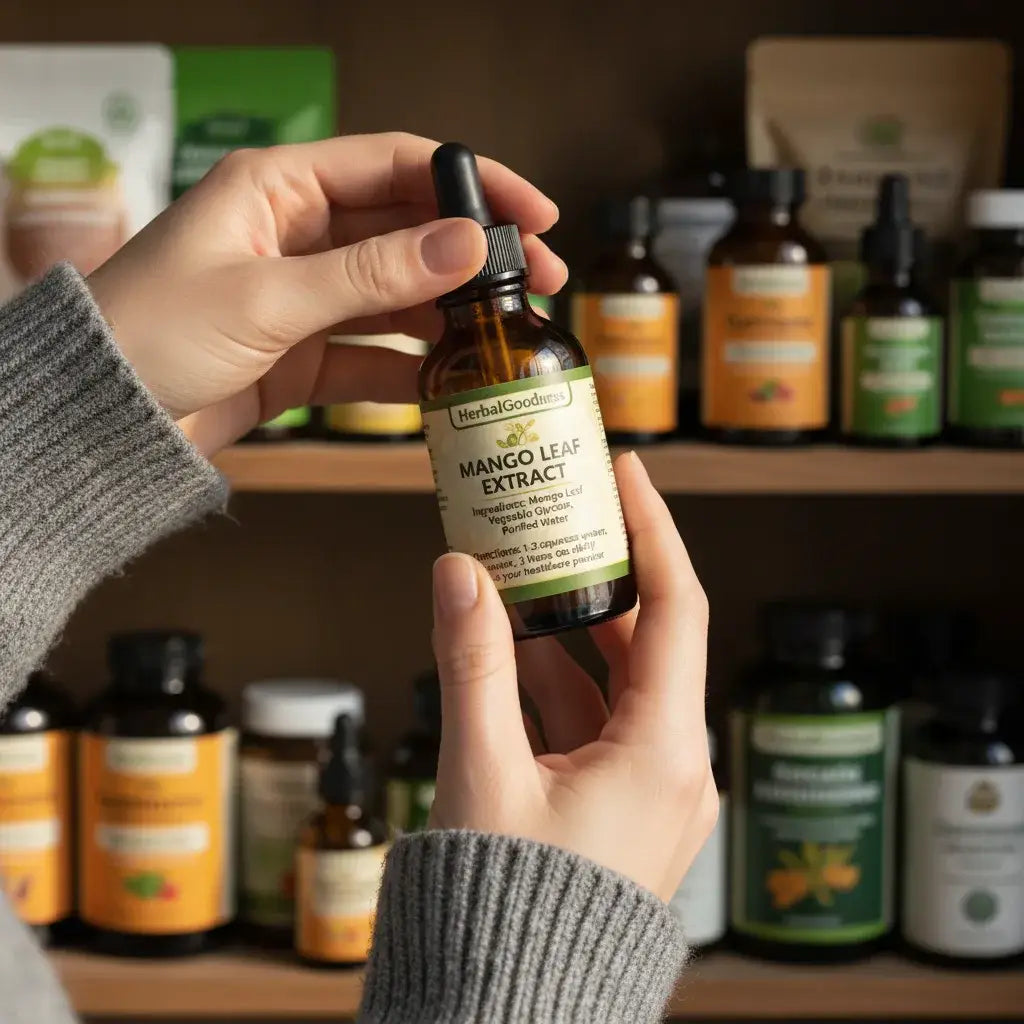
Shopping for organic mango leaf extract online can feel overwhelming, especially with the technical jargon and label details that crowd every bottle and webpage. If you’ve ever wondered what those extraction methods mean, how to interpret “standardized” on an ingredients list, or simply want to make sure you’re getting a pure, high-quality product, this guide is for you. We’ll take a straightforward, friendly look at everything you need to know about reading mango leaf extract labels—covering extraction types, ingredient transparency, and the clues that tell you what’s really behind each bottle.
Why Mango Leaf Extract Labels Matter
When it comes to natural supplements, not all extracts are created equal. The label is your first (and sometimes only) window into how an extract was produced, what ingredients it contains, and how it might fit into your wellness routine. Understanding labels can help you:
- Choose products that fit your values (organic, ethically sourced, clean carrier ingredients)
- Identify the extraction process and its significance
- Find out about ingredient purity and transparency
- Know what questions to ask before purchasing
Demystifying Extraction Methods on Mango Leaf Extract Labels
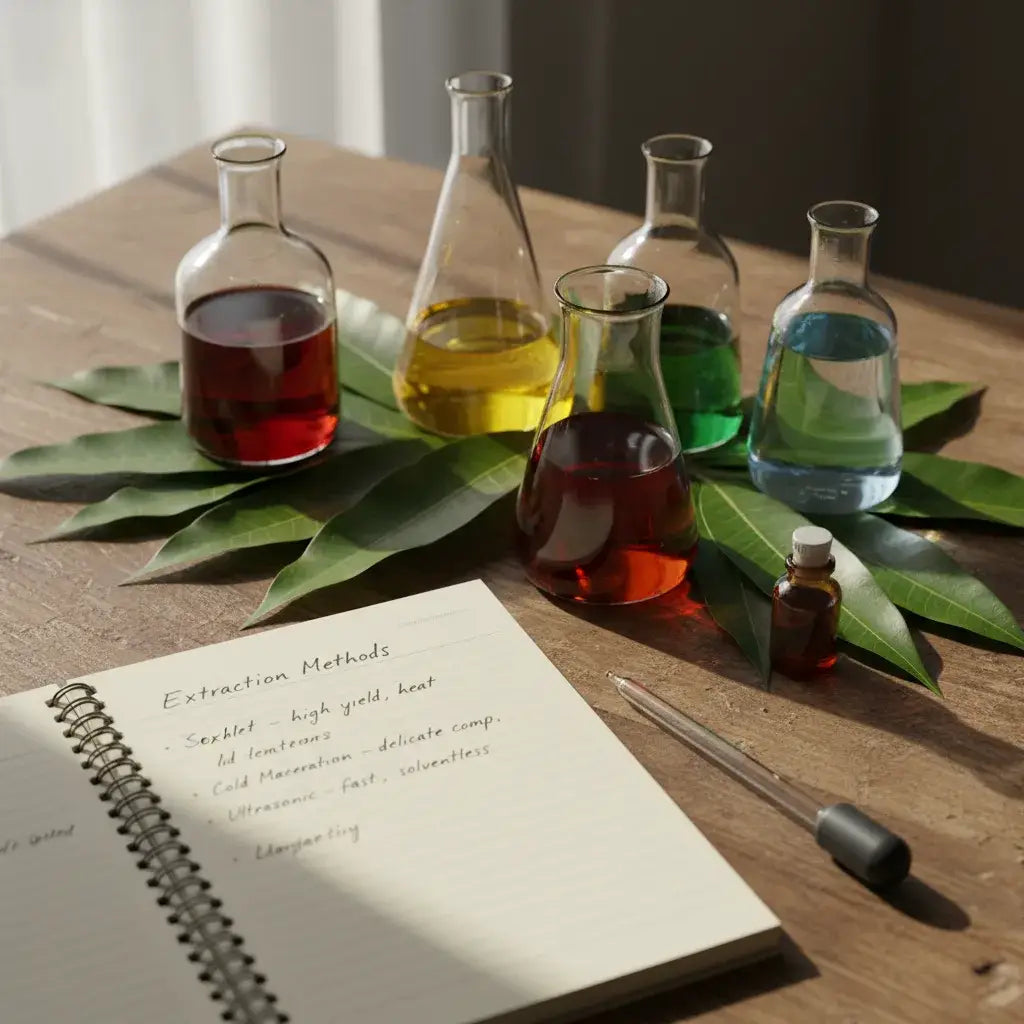
One of the most important things you’ll see on a mango leaf extract label is the extraction method. This affects everything from flavor and color to potency and potential applications. Let’s break down the most common extraction methods you’ll encounter:
Alcohol Extraction
What it means: The mango leaves are soaked in food-grade alcohol to draw out their compounds. Alcohol is known for extracting a wide range of actives and can help preserve the extract for longer.
Label clues: Look for terms like “alcohol-based extract,” “ethanol extraction,” or a percentage of alcohol by volume (e.g., 20% alcohol).
Why it matters: Alcohol-based extracts often contain a broader spectrum of plant compounds. However, some people prefer to avoid alcohol for personal reasons.
Glycerin Extraction
What it means: Glycerin (often from plants) is used instead of alcohol. This process is gentler and results in a sweeter-tasting, alcohol-free product.
Label clues: “Glycerin extract,” “glycerite,” or “alcohol-free.” Sometimes you’ll see “vegetable glycerin” included in the ingredients.
Why it matters: Glycerin extracts are popular for kids or anyone avoiding alcohol. They may extract fewer certain compounds, but offer a sweet, smooth taste.
Water Extraction
What it means: This method uses hot or cold water to draw compounds from mango leaves. Water extraction may favor water-soluble components.
Label clues: “Hydrosol,” “water-based extract,” or sometimes just “extract.” Look for mention of water as a carrier or solvent.
Why it matters: The resulting extract can be milder, and sometimes water-based extracts are blended with other solvents for balance.
CO2 Extraction
What it means: Supercritical CO2 is used as a solvent-free way to extract specific compounds.
Label clues: “CO2 extracted” or “supercritical extraction.”
Why it matters: This process produces a very clean, selective extract and is often considered top-tier, but is less common for mango leaf.
Tip: If the extraction method isn’t clear, look for details in the ingredient list or ask the seller for clarification.
Exploring Extract Ratios and “Standardized” Language
Extract ratios and standardized statements are two of the label’s most confusing—yet important—features to recognize.
Understanding Extract Ratios
What is an extract ratio? You might see something like “10:1” on a label. This means that 10 parts of mango leaf were used to produce 1 part of extract.
Why ratios matter: Higher ratios suggest a more concentrated product. However, more concentration isn’t always better—quality of leaf and extraction process also matter.
How to spot ratios: Look for phrases like:
- “10:1 mango leaf extract”
- “Equivalent to 1000 mg dried leaf”
- “Herb to extract ratio”
What Does “Standardized” Mean?
The word “standardized” means the extract has been tested to guarantee a consistent amount of a specific plant compound. For mango leaf, this might refer to things like total phenolics or flavonoids.
Benefits of standardization:
- More reliable product—batch to batch
- Transparency about what’s actually in the bottle
Label clues:
- “Standardized to X% mangiferin”
- “Contains minimum 10% polyphenols”
Note: Standardization gives confidence in what you’re buying, but is just one part of the quality picture.
Carrier Ingredients: What Else is in Your Mango Leaf Extract?
Purity matters, but herbal extracts often include necessary “carrier” ingredients. These help stabilize, dissolve, or preserve the herbal compounds.
Common carriers for mango leaf extract:
- Food-grade alcohol (ethanol)
- Vegetable glycerin
- Purified water
- Natural flavors (rare, but sometimes included)
- Citric acid (for pH balance)
What to look for: The fewer unnecessary fillers (like artificial colors or sweeteners), the better. Organic or non-GMO carriers are a plus for ingredient-conscious buyers.
Reading Product Pages: Ingredient Transparency & Red Flags
Buying online means you can’t inspect a product in person, so being able to read between the lines is crucial.
What to Look for in an Online Listing
- Full ingredient disclosure: All active and inactive ingredients listed
- Extraction method explained: Details about how it was made
- Source of plant material: Is it organic, sustainably farmed?
- Batch or lot number: Shows traceability, a sign of serious brands
- Clear expiration or “best by” date: Important for shelf life
For those seeking a high degree of clarity, Mango Leaf - Organic 1oz 15X Liquid Extract - Heart Health openly lists extraction methods, provides ingredient transparency, and meets standards valued by quality-focused shoppers.
Red Flags to Avoid
- Vague language (“herbal complex” vs. actual species name)
- “Proprietary blend” without details
- No information on carriers or extract ratios
- No lot number or expiration provided
- Overly generic claims without transparency
Spotting Clues About Purity & Shelf Life
Even small cues can give insight into product quality and longevity.
Purity Clues
- “100% mango leaf extract” (when no unnecessary additives are present)
- Certifications: “organic,” “non-GMO,” “vegan”
- Third-party testing or quality assurance statements
If you're comparing different plant-based extracts, consider that options like Papaya Leaf Extract - Organic 1oz 15X Liquid - Blood Platelet also emphasize purity and label clarity, providing a benchmark for what to expect.
Shelf Life Clues
- “Best by” or “expiration date” clearly labeled
- Dark glass bottles (help preserve active compounds)
- Storage instructions (keep in cool, dry place)
If this information isn’t provided, it’s smart to ask the seller or look for more transparent brands.
Simple Tips for Making Confident Choices
Here are easy steps to make sure you’re choosing a mango leaf extract that truly meets your needs:
- Check for specificity: Exact species (“Mangifera indica”), extraction type, and amount of extract per serving should be shown.
- Look for ingredient clarity: Are all components listed, with no suspicious blends or artificial additives?
- Prefer transparency: Reputable brands, like Herbal Goodness, share extraction details, source information, and batch numbers openly.
- Ask questions: If anything is unclear on the label or product page, reach out to the company. Good sellers are happy to answer.
- Seek feedback: Real customer reviews can reveal a lot about taste, packaging, and consistency.
If you want to compare the extraction and labeling standards to other reputable supplements, browsing full label disclosures from products such as Soursop Leaf Graviola Extract - - Organic 15X Liquid Extract - Cell Renew & Immunity can help set your expectations. Always look for complete transparency before you purchase.
What Questions Should You Ask Sellers?
If you want extra assurance:
- What extraction method is used and why?
- Where is the mango leaf sourced from?
- Is the extract standardized, and to what compound/amount?
- What is the shelf life and how should I store it?
- Are there any quality certifications (organic, non-GMO, etc.)?
Supportive, transparent answers help you trust what’s in the bottle before you buy.

Why Herbal Goodness Values Label Clarity
At Herbal Goodness, ingredient transparency and quality are at the heart of every product. We believe that informed choices empower our community. When shopping for mango leaf extract, look for brands that share these values by providing complete label and ingredient information, so you can feel confident about integrating natural products into your routine.
Ready to make an informed purchase? Use this guide the next time you shop for mango leaf extract and feel confident choosing products that meet your standards for transparency and quality.
FAQs:
- What does 'standardized' mean on a mango leaf extract label?
When a mango leaf extract is labeled as 'standardized,' it means the product contains a consistent, measured amount of a particular compound, such as mangiferin. This allows for greater confidence that each serving has the same level of active ingredients, supporting product reliability.
- How do I know if an extract is alcohol-free?
Look for key phrases like 'alcohol-free,' 'glycerite,' or 'extracted with vegetable glycerin.' Brands should clearly state the solvent or carrier used. If uncertain, check the full ingredient list or contact the seller for clarification.
- What is the significance of extract ratios like 10:1?
An extract ratio such as 10:1 means that 10 parts of raw mango leaf were used to make one part of the extract. Higher ratios generally indicate a more concentrated extract, though concentration should be considered alongside ingredient quality and the extraction process.
- Why is the extraction method important?
The extraction method determines which compounds are present in the final extract and can affect taste, color, and shelf life. Some methods, like alcohol and CO2 extraction, might yield a broader or more potent profile, while glycerin and water extraction are alcohol-free and gentler.
- How can I identify the carrier ingredients in my mango leaf extract?
Carrier ingredients—such as alcohol, glycerin, or water—should be listed on the supplement facts label or under ingredients. The best brands are up front about these, avoiding undisclosed fillers or artificial additives.
- Are expiration dates important for mango leaf extract?
Yes. An expiration or 'best by' date indicates how long the extract is expected to maintain its potency and flavor. Check for this on the bottle or ask the seller; proper storage also helps preserve the extract.
- What if a label uses vague terms like 'herbal complex'?
Vague terms suggest a lack of transparency about which herbs or extraction processes are used. It's best to choose extracts that specify the species, extraction type, and ingredient amounts, or to contact the brand for further detail.
Author Name:
Herbal Goodness Editorial Team
Author Bio:
The Herbal Goodness Editorial Team specializes in holistic health and superfoods, blending science and nature to educate and empower our community.
References:
ConsumerLab: How to Read Supplement Labels
United States Pharmacopeia (USP): Dietary Supplements Quality Reference
Share this
Popular posts


FAQs
1. What are the main benefits of drinking bamboo leaf tea?
Drinking bamboo leaf tea supports hydration, relaxation, skin wellness, and antioxidant balance.
2. What is bamboo leaf extract used for?
It’s used for general body wellness, skin elasticity, hair and nail support, and overall vitality.
3. Can bamboo leaf help with skin care and body wellness?
Yes, bamboo leaf is rich in silica and antioxidants, which promote healthy skin, strong nails, and a youthful glow.
4. What forms of bamboo leaf are available?
You can find dried bamboo leaf, powder, extract, drops, oil, and bamboo leaf green tea.
5. Are there any side effects of bamboo leaf?
Bamboo leaf is generally safe when consumed in moderation. Always consult your healthcare provider before starting any new herbal supplement.