





Lion’s Mane Mushroom Near You: Sourcing, Identification & Safe Selection

Looking to explore the world of lion’s mane mushrooms and curious about where to find them near you? Lion’s mane (Hericium erinaceus) has long been appreciated for its unique appearance and culinary versatility. Whether you’re seeking fresh options at your local farmers’ market, want to confidently forage in the wild, or are considering convenient dried and powdered formats, understanding how to identify, source, and choose lion’s mane thoughtfully is essential. In this comprehensive guide, you’ll discover local sourcing opportunities, seasonal availability, key identification characteristics, and questions you can ask sellers to ensure quality, sustainability, and safety.
Understanding Lion’s Mane Mushroom: An Introduction
Lion’s mane mushroom stands out among edible fungi because of its remarkable shaggy, white appearance—earning it the nickname “pom pom mushroom.” Traditionally valued in culinary settings for its mild, slightly sweet flavor and satisfying texture, lion’s mane has also drawn interest for its composition of naturally occurring bioactive compounds, such as polysaccharides, hericenones, and erinacines. However, before enjoying its culinary and potential wellness benefits, it’s crucial to know how to source this mushroom safely, whether you’re drawn to the adventure of local foraging or prefer to purchase from trusted sellers.
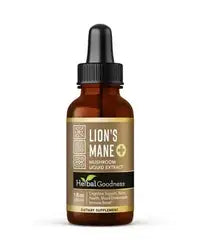
For those interested in cognitive and mood support, consider incorporating Lion's Mane Mushroom Liquid Extract - Organic 1oz - Brain & Mood into your wellness routine as a supplemental option, especially when fresh mushrooms aren’t locally available.
Local Sourcing: Farmers’ Markets, Specialty Stores, and Farms
Farmers’ Markets and Community-Supported Agriculture (CSA)
One of the most accessible and sustainable ways to find lion’s mane mushroom near you is by visiting your local farmers’ market or joining a CSA program. Over the last decade, small mushroom cultivators and organic farmers have increasingly offered specialty mushrooms, including fresh lion’s mane, grown under controlled conditions. Here’s what to consider:
- Freshness: Lion’s mane mushrooms are best enjoyed fresh within a few days of harvest, so farmers’ markets can offer peak quality.
- Direct Communication: Speaking directly with growers allows you to ask about their cultivation practices, substrate (growing medium), and sustainability efforts.
- Seasonal Variation: Depending on your region, lion’s mane may be most available in late summer through fall, though some growers with indoor facilities can offer them year-round.
If you appreciate supporting local agriculture, you might enjoy supplementing your meals with the nutritional benefits of Mushroom Blend - Organic 1oz 15X Liquid Extract - Adaptogens & Brain Power, which combines multiple medicinal mushrooms for a broader spectrum of adaptogenic wellness.
Specialty Grocery Stores and Apothecaries
Natural food stores, co-ops, and herbal apothecaries often stock fresh or dried lion’s mane mushrooms. These venues may also carry powdered and encapsulated lion’s mane for those seeking flavorful additions to teas, smoothies, and culinary creations. When shopping in these stores, keep in mind:
- Ask About Origin: Inquire whether the mushrooms or products are local, organically grown, or imported.
- Variety of Forms: Some stores offer multiple product forms—fresh, sliced and dried, powdered, or these combined in ready-to-use blends.
- Check for Rotation: Optimal freshness is more likely if there’s steady turnover. Select packages with the most recent packing or sell-by dates.
Whether you prefer nutritious mushroom powders or ready-to-use extracts, these stores are a practical choice if you’re unable to access a local mushroom farm. Many shoppers also explore Brain and Focus - Organic 1oz 15X Liquid Extract - Cognition & Memory for its focus-supporting botanicals, ideal for those looking to enhance mental clarity alongside their culinary mushroom pursuits.
Small-Scale Farms and Urban Growers
In many regions, small urban farms or dedicated mushroom growers sell directly to consumers through farm stands, online community platforms, or local delivery programs. Check for:
- Online Community Boards: Search regional online groups or forums for mushroom growers advertising fresh lion’s mane.
- Farm Tours: Some growers offer tours, where you can learn about growing processes and purchase at the source.
- CSA Add-Ons: Ask your CSA if they offer mushroom shares or partner with local mycologists.
Connecting with small-scale growers offers a deeper understanding of mushroom cultivation and provides some of the freshest options available.
Wild Foraging for Lion’s Mane: Foundational Safety and Ethics
Ethical Foraging
If you’re adventurous and interested in wild foraging, lion’s mane is one of the more distinctly identifiable wild mushrooms. Its tendency to grow on hardwood trees—particularly dying or dead oaks, maples, and beeches—makes it a thrilling find. However, ethical and sustainable foraging practices are essential:
- Obtain Permission: Always gain permission if foraging on public or private land.
- Harvest Responsibly: Take only what you can use and leave enough for the local ecosystem to thrive.
- Local Regulations: Be aware of legal restrictions on foraging in your area to support sustainable populations.
Foraging not only puts you in direct connection with nature, but also encourages mindful consumption—habits that promote holistic wellness. Those practicing ethical foraging may be drawn to plant-based supplements like Memory and Cognition - 1oz 15X Liquid Extract - Brain & Memory, which is created for mental sharpness and memory support, echoing the brain health associations of lion’s mane.
Safe Identification Basics
Correctly identifying lion’s mane in the wild takes practice. If you’re a beginner, consider joining an organized mushroom foraging group or attending guided walks offered by local mycology societies. Lion’s mane can be recognized by:
- Appearance: Cascading white spines that grow from a single clump, resembling a lion’s mane or long icicles.
- Texture: Soft, almost furry structures (not gills or caps like many mushrooms).
- Habitat: Commonly found on dead or living hardwood trees; rarely on the forest floor.
Tip: Never consume any wild mushroom unless you are 100% certain of its identity, ideally confirmed by an expert. Mistakes may result in serious consequences as some mushrooms have look-alikes.

Seasonal Considerations for Foraging
Lion’s mane typically fruits from late summer to early winter, depending on local climate. Recent rainfall, cool nights, and mature deciduous forests increase your chances of success. Tracking regional foraging reports and joining social media groups dedicated to wild mushrooms can help you stay informed on seasonal availability.
Choosing Between Fresh, Dried, and Powdered Lion’s Mane
Lion’s mane is available in several forms, each suited to different uses and preferences. Here’s a closer look at the distinctions to help you make an informed selection:
Fresh Lion’s Mane
- Best for those who want to savor the delicate flavor and tender texture.
- Perishable and should be used or cooked soon after purchase.
- Store in a paper bag (not plastic) in the refrigerator for up to a week.
Dried Lion’s Mane
- Excellent for long-term storage.
- Retains much of the original mushroom’s flavor and texture when rehydrated in water.
- Ideal for soups, stews, or infusions.
Powdered Lion’s Mane
- Convenient to add to beverages, smoothies, or culinary dishes.
- Often used by those looking to incorporate it seamlessly into daily routines.
- Check labels for details on drying temperature and whether the powder is made from the fruiting body or mycelium.
If supplementing is your preference, a few drops of Lion's Mane Mushroom Liquid Extract - Organic 1oz - Brain & Mood daily may offer convenient access to lion's mane’s regarded wellness potential. Those interested in diverse mushroom sources for overall well-being can explore Mushroom Blend - Organic 1oz 15X Liquid Extract - Adaptogens & Brain Power for a broader adaptogenic profile.
Questions to Ask Sellers Before Purchasing
Regardless of source—farmers’ markets, stores, or local farms—ask these questions to get the highest quality products:
- Where was this lion’s mane grown or foraged? This ensures you are aware of its origin and potential freshness.
- What cultivation method was used? Mushrooms grown on organic substrates are generally well regarded.
- How is it stored and handled? Proper storage maintains quality; inquire about environmental controls.
- Is this the fruiting body or mycelium? The fruiting body is the main part harvested for culinary use.
Taking time to ask these questions helps guarantee a fresher and more beneficial mushroom, whether you’re seeking it for culinary use or supplemental support for cognition, as available in Brain and Focus - Organic 1oz 15X Liquid Extract - Cognition & Memory.

Handling and Storing Lion’s Mane Safely
Once you bring lion’s mane home, proper handling is crucial for maintaining its integrity and flavor:
- Storage: Store fresh mushrooms loosely in a paper bag in the fridge. Dried mushrooms should be stored in airtight containers away from light and moisture.
- Preparation: Brush off debris gently; avoid soaking fresh mushrooms as they absorb water easily.
- Cooking: Lion’s mane can be sautéed, roasted, or simmered, lending its texture and taste to a variety of recipes.
Supplement lovers looking to preserve the unique brain and mood benefits of lion’s mane even after its fresh season passes, often keep Lion's Mane Mushroom Liquid Extract - Organic 1oz - Brain & Mood on hand for daily use.
Connecting with Community and Resources
Joining local mushroom foraging clubs, farmers’ market communities, and educational workshops can help you continue learning about lion’s mane mushrooms. Many organizations offer identification courses and seasonal walks, which provide invaluable firsthand experience. Sharing finds and sourcing tips with fellow enthusiasts can deepen your knowledge and safety skills while fostering a sense of stewardship for nature.
If you’re inspired by the journey of exploring wild and cultivated mushrooms, connect with regional foraging groups. And for those who like to mix wellness solutions, Mushroom Blend - Organic 1oz 15X Liquid Extract - Adaptogens & Brain Power can accompany your exploration with adaptogenic support.
Conclusion: Exploring Lion’s Mane Near You
Sourcing lion’s mane mushroom locally is a rewarding experience that combines adventure, education, and culinary delight. Whether picking up fresh specimens at your neighborhood market or responsibly venturing out to forage in nearby woods, your journey is enriched by understanding each step—identification, selection, preparation, and ethical practices. Remember, mindful sourcing and curiosity will help you build a deeper connection to food, the environment, and community.
FAQs:
- Where can I typically find lion’s mane mushroom near me?
Lion’s mane mushrooms can often be found at farmers’ markets, local specialty grocery stores, community-supported agriculture (CSA) programs, and sometimes through small urban farms or foraging groups depending on your region.
- How can I safely identify lion’s mane mushroom when foraging?
Lion’s mane is recognized by its distinctive white, cascading spines and growth on dead or living hardwood trees. Beginners should always consult an expert or join guided foraging groups to confirm identification.
- What should I ask sellers before buying lion’s mane mushroom?
Ask about the origin, how and where it was grown or foraged, the cultivation method, storage practices, and whether the product is made from the fruiting body or mycelium.
- Is there a best season to find fresh lion’s mane locally?
Lion’s mane generally appears in late summer through fall, though year-round availability may be possible from indoor growers or specialty farms.
- What are the main differences between fresh, dried, and powdered lion’s mane?
Fresh lion’s mane offers a delicate flavor and texture but is perishable. Dried forms store longer and can be rehydrated, while powdered lion’s mane is versatile for drinks and recipes, offering convenience.
- How should lion’s mane be stored after purchase?
Fresh lion’s mane is best kept in a paper bag in the refrigerator. Dried forms should be stored in airtight containers away from moisture and light.
- Are there community groups for learning more about lion’s mane mushrooms?
Yes, many regions have mushroom clubs, foraging groups, and educational workshops through mycological societies and local organizations.
Author Name:
Herbal Goodness Editorial Team
Author Bio:
The Herbal Goodness Editorial Team specializes in holistic health and superfoods, blending science and nature to educate and empower our community.
References:
The Amazing World of Mushrooms – USDA Forest Service
Mushrooms, the Environment, and You – North American Mycological Association