





Importing Bulk Herbal Ingredients: What Buyers Need to Know
Global demand for botanicals has soared, and whether you’re a small brand, a community co-op, or a passionate herbal retailer, importing bulk herbal ingredients means navigating a complex web of documents, legal requirements, and responsible sourcing practices. From raw leaves and bark to teas, powders, and tinctures, crossing borders with plant material involves more than just packing and shipping. Knowing about phytosanitary certificates, quarantine inspections, and endangered-species (CITES) requirements is key to making sure your shipments arrive safely, on time, and aboveboard.
Understanding the Core Regulations for Bulk Herbal Imports
Shipping plant products internationally is subject to inspection and certification. Each country enforces rules to safeguard ecosystems, prevent the spread of pests, and protect endangered species. If you’re new to importing bulk herbal lots or regularly source botanicals from abroad, these requirements form the backbone of successful, ethical supply chains.
What are Phytosanitary Certificates?
Phytosanitary certificates are official documents issued by government agriculture departments or inspectable authorities in the country of export. They confirm that a plant shipment—such as dried leaves, roots, powders, or even tinctures—has been inspected and found free from regulated pests and plant diseases, and is compliant with the importing country’s standards.
Key facts about phytosanitary certificates:
- Required for most raw botanicals and unprocessed plant matter (varies by destination country)
- Focused on pest and contamination risks, not quality of the herb itself
- Typically must accompany each shipment as part of customs paperwork
- Often cannot be backdated or retroactively acquired
When importing large quantities of raw botanical materials in bulk, these documents are essential. For example, organizations sourcing ingredients for Raw Sea Moss 8oz Bag | St. Lucia Wildcrafted – Nature's Multivitamin will need to ensure each shipment is certified pest-free, as sea vegetables are rigorously inspected for quarantine compliance.
CITES Permits: Protecting Endangered Plant Species
The Convention on International Trade in Endangered Species of Wild Fauna and Flora (CITES) is a global agreement regulating international trade in certain wild plants and animals. For the herbal industry, this means several well-known botanicals—like Hoodia, certain orchids, and wild-sourced ginseng—may require special permits (CITES certificates) to export or import legally.
What CITES involves for herb importers:
- Check if any plant species in your order are CITES-listed (full list available from CITES authorities)
- Both exporting and importing countries must approve permits before shipment can move
- Failing to obtain a CITES permit can result in seizure or destruction of products, fines, and major supply chain delays
If you’re importing broad-spectrum herbal ingredients, such as those used in Bulk Herbs & Roots Online for Tea, Tinctures & DIY Wellness - Organic 4oz Bags, verify if any component is under CITES protection to prevent customs seizures.
Quarantine Rules: Preventing Pest Spread at the Border
Quarantine regulations protect agriculture and ecosystems by isolating imported shipments for inspection. Inspection stations or customs officials will scrutinize bulk herbal ingredients for insects, plant parts, or contamination not permitted in the destination country.
Key considerations:
- Some herbal items may require fumigation, treatment, or processing before importation
- Non-compliance can result in costly re-export, destruction, or delays
- Working with experienced suppliers who follow quarantine protocols helps avoid customs issues
Plant-based superfoods, such as the Raw Sea Moss 8oz Bag | St. Lucia Wildcrafted – Nature's Multivitamin, are increasingly scrutinized for both pest and contaminant presence at the border, meaning supplier transparency is a must for streamlined customs clearance.

Common Documents and Permits for Bulk Herbal Shipments
Knowing what documents are required for your specific herbal import saves time and money. Here are the usual essentials to ask about:
1. Phytosanitary Certificate
Proves the shipment has been inspected and meets all importing country standards for pest and contaminant absence.
2. CITES Permit (if applicable)
Required for any plant species listed by CITES—check before placing an order if your herb is on the list.
3. Import Permit
Some countries require importers to obtain a permit before herbal shipments arrive. Check with agricultural or plant protection agencies in your country.
4. Certificate of Origin
Certifies the country where the herbal goods were harvested or processed (often needed for traceability and tariff classification).
5. Commercial Invoice & Packing List
Outlines the contents and commercial value of the shipment—needed for all cross-border trade.
Suppliers offering popular options, such as Bulk Loose Leaf Teas & Tisanes - Organic 4oz - Herbal Wellness Teas, are familiar with documentation, ensuring that paperwork travels with both the shipment and digital records for reference.
Steps to Prepare Your Bulk Herbal Ingredient Shipment
Following a consistent import process helps reduce delays. Here’s a simplified step-by-step guide:
- Identify Required Documents: Review import country’s regulations for herbs/plant materials. Consult customs authorities, embassies, or agricultural agencies.
- Communicate With Your Supplier: Confirm they can arrange phytosanitary and, if needed, CITES certification before shipping. Choose suppliers with experience in regulated exports.
- Allow Extra Time for Permits: Government-issued certifications often take days or weeks—schedule with delays in mind.
- Double-Check Species Status: Confirm none of your botanicals are protected or restricted under CITES or national policies.
- Keep Paperwork Organized: Ensure all documents travel with the shipment and that digital copies are retained for reference.
- Prepare to Pay Fees: Permits and inspections may incur government or agency fees, which are part of responsible importing.
If you’re sourcing a large shipment for manufacturing Tea & Infusions, working with suppliers who can provide needed permits up front mitigates surprises and keeps production timelines steady.
Planning to import herbal ingredients for your business? Join our Retailer & Wholesaler Interest List to receive updates on bulk sourcing opportunities, documentation requirements, and ingredient availability.

How Phytosanitary Inspections Work
A phytosanitary inspection is carried out by plant health inspectors or government-authorized officers at origin. They review:
- The source material (e.g., roots, leaves, bark, powders)
- Packaging (checking for contamination, pests, or foreign seeds)
- Suppliers’ processing and handling facilities
- Documentary records of previous shipments and any traceability protocols
Shipments that pass inspection are issued a detailed certificate specifying:
- Species (botanical name and common names)
- Country of harvest
- Condition (dried, powdered, etc.)
- Any treatments or fumigations conducted
- Serial number and inspection authority details
This certificate is attached physically (and digitally, where possible) to your shipment. Customs on arrival use it to release or isolate the shipment for further checks. Sourcing from suppliers of established blends—such as Wellness Tea Blends – 4oz Organic Premium Herbal Infusions—guarantees familiarity with necessary inspection stages and supports compliance.
Navigating CITES for Herbal Products
CITES control is most relevant if your business handles rare, wild, or traditionally wild-collected herbs. While the vast majority of standard culinary or garden botanicals are not listed, importers of bulk herbal materials must routinely check the CITES appendices before ordering.
Some questions to ask before importing:
- Is my plant listed in CITES Appendices I, II, or III?
- Is it permissible to source this species from the wild, or is only cultivated material allowed?
- Does the export country have stricter rules on endangered species?
- Have my supplier and I both secured the proper permits?
Remember: CITES permits require government review in both the exporting and importing countries—this can extend lead times.
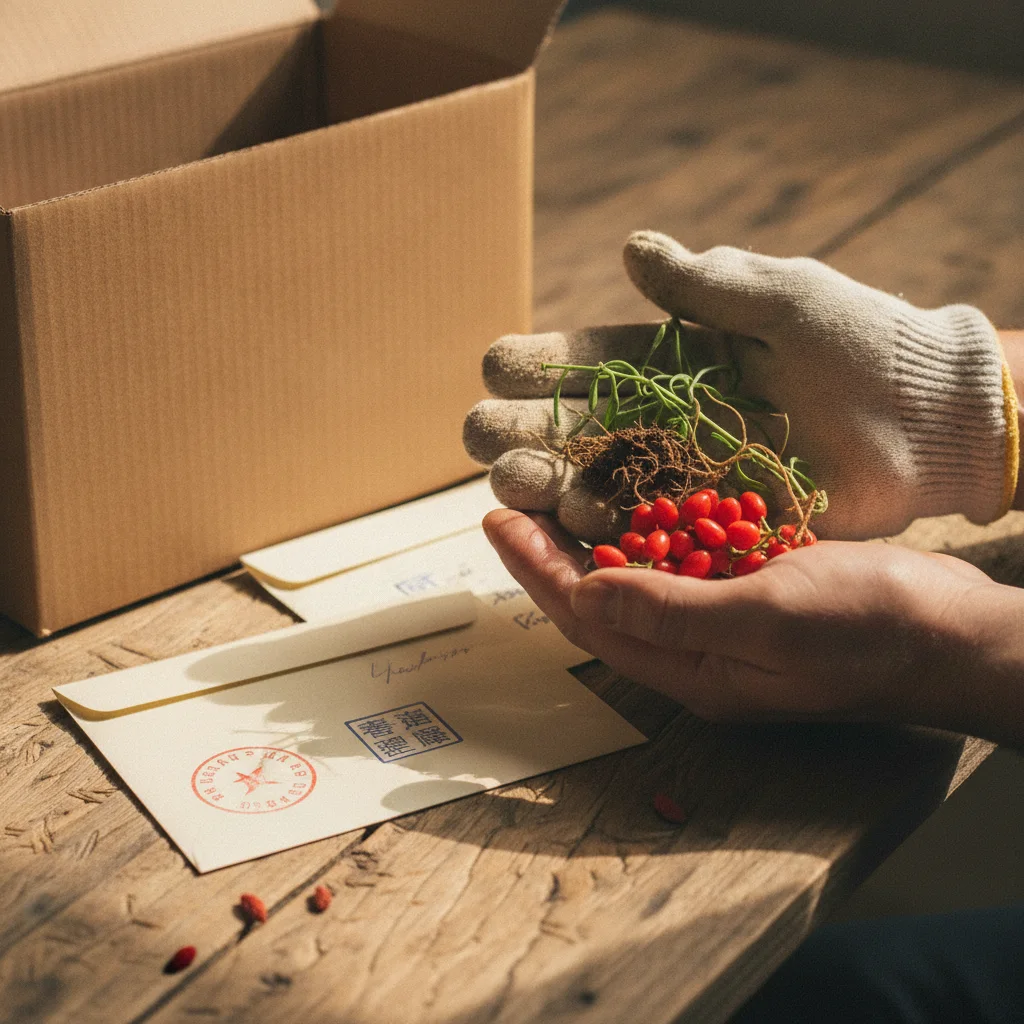
Quarantine Policies: Reducing Risk and Delays
Quarantine policies may apply even to commonly traded botanicals. Each country maintains its own list of prohibited or restricted species, plant parts, and potential contaminants. For large or mixed-lot herbal imports, expect customs to:
- Inspect for visible pests, soil, or organic debris
- Take samples for lab testing
- Confirm documentation for each species in the shipment
If discrepancies or contamination are found, authorities may enforce reconditioning, return-to-origin, or even destruction protocols. Cautiously selecting established suppliers and maintaining clear records mitigate these risks. Specialty items such as Raw Sea Moss 8oz Bag | St. Lucia Wildcrafted – Nature's Multivitamin should always be sourced from exporters who support complete batch documentation and are familiar with region-specific import policies.
Traceability, Ethics, and Sustainable Herbal Sourcing
The certification and permit process isn’t just about regulatory compliance—it’s also about building a supply chain that values transparency, plant stewardship, and ethical plant trade.
Consumers increasingly expect:
- Documentation of harvest origin and processing
- Assurance that no endangered or illegally trafficked species are involved
- Traceable lot numbers and certificates for every batch
Work only with botanical suppliers who can demonstrate traceability, ethical harvesting practices, and familiarity with international documentation. This protects your business and reassures your customers. Bulk offerings for teas or wellness blends, such as Bulk Loose Leaf Teas & Tisanes - Organic 4oz - Herbal Wellness Teas, feature traceability guidelines that support responsible sourcing for wellness brands.
Choosing Proven Suppliers: Key Questions to Ask
Selecting an herbal supplier who understands phytosanitary, quarantine, and CITES requirements streamlines the process. When scouting suppliers, consider asking:
- Are you licensed to export bulk botanical materials?
- Can you obtain phytosanitary certificates for each shipment?
- Are your herbs cultivated, wild-harvested, or both? If wild, do you observe CITES guidelines?
- How do you document harvest locations and batch traceability?
- What experience do you have with shipments to my country?
Sourcing from organizations providing Bulk Herbs & Roots Online for Tea, Tinctures & DIY Wellness - Organic 4oz Bags ensures both regulatory experience and full traceability.
Join our Retailer & Wholesaler Interest List for access to wholesale sourcing updates, traceable botanical ingredients, and priority notifications on bulk herb availability.
Avoiding Common Pitfalls in Bulk Herbal Imports
Even experienced buyers encounter setbacks. Avoid these mistakes:
- Ordering before confirming documentation can be arranged (especially for new suppliers or rare botanicals)
- Underestimating shipping times due to permit processing
- Neglecting CITES status checks
- Inadequate record-keeping (losing track of certificates or batch IDs)
- Overlooking local versus federal requirements (some regions have stricter regulations)
Planning your import process around these requirements ensures smoother delivery, fewer surprises, and ongoing business credibility.
Building a Smoother, More Reliable Herbal Supply Chain
For any herbal business—from wellness startups to established brands—the foundation of a responsible, resilient supply chain lies in understanding and respecting international plant trade rules. Stay current on changing import guidelines, always prioritize phytosanitary and CITES certifications, and choose trustworthy suppliers to support plant conservation and transparent trade.
FAQs:
- What is a phytosanitary certificate and when is it required for importing herbs?
A phytosanitary certificate is an official document from the exporting country confirming that a plant shipment is free from specific pests and contamination. It’s usually required when importing raw herbs, plant parts, or minimally processed botanical materials.
- How do CITES permits affect my order of bulk herbal ingredients?
If your shipment contains any species listed by CITES, you must obtain a CITES permit from both exporting and importing countries before the shipment can legally cross borders. This protects endangered plant species and can extend processing times.
- What documents are typically needed when importing herbal ingredients in bulk?
Common documentation includes a phytosanitary certificate, CITES permit (if applicable), import permit, certificate of origin, and a commercial invoice with packing list.
- How can I avoid customs delays when sourcing bulk herbal ingredients?
Work only with reputable suppliers who provide the proper certificates, confirm the regulatory status of your herbs ahead of time, and allow extra lead time for inspections and permit processing.
- What is the best way to ensure ethical and legal sourcing for my herbal supply chain?
Choose suppliers committed to full traceability and ethical harvesting, verify all permits are in place, and maintain thorough documentation. This ensures compliance and consumer trust.
- Are herbal teas and tinctures subject to the same import rules as raw herbs?
It depends on their processing level and destination country. Minimally processed products may still require phytosanitary certificates and inspections; always check local regulations.
Author Name:
Herbal Goodness Editorial Team
Author Bio:
The Herbal Goodness Editorial Team specializes in holistic health and superfoods, blending science and nature to educate and empower our community.
References:
Introducing Graviola to Young Taste Buds: Fun, Family-Friendly Flavor Exploration
Graviola in the Classroom and at Home: Creative Activities to Teach Kids About Tropical Plants


FAQs
Drinking bamboo leaf tea supports hydration, relaxation, skin wellness, and antioxidant balance.
It’s used for general body wellness, skin elasticity, hair and nail support, and overall vitality.
Yes, bamboo leaf is rich in silica and antioxidants, which promote healthy skin, strong nails, and a youthful glow.
You can find dried bamboo leaf, powder, extract, drops, oil, and bamboo leaf green tea.
Bamboo leaf is generally safe when consumed in moderation. Always consult your healthcare provider before starting any new herbal supplement.