





How to Validate Your Herbal Tea Blend Before Launch: Low-Cost Tests That Work
Dreaming up a new herbal tea blend—something organic, plant-based, and bursting with unique flavors—can be inspiring, but the leap from a kitchen experiment to market-ready product is daunting. Fortunately, you don’t have to risk significant time or money to discover if your tea concept excites real people. Instead, you can validate your herbal tea idea on a shoestring budget—by gathering honest feedback, exploring packaging concepts, and seeing if your blend resonates before any full-scale launch.
This curiosity-driven guide walks through approachable, practical steps for testing your herbal tea product out in the real world. If you’re driven to share botanical, organic flavors with conscious consumers, these strategies will let you learn with minimal risk and maximum insight.
Why Validate Your Herbal Tea Idea Before Investing Big
Countless beverage startups have found that what’s beloved in the founder’s kitchen doesn’t always translate to customer enthusiasm in a bustling market. Testing ahead of time answers essential questions:
- Do people genuinely like the taste and aroma of my blend?
- Is the packaging visually appealing and user-friendly?
- Will my target audience pay for it?
By gathering this data early, you avoid costly missteps and build a foundation for a botanical tea brand that truly resonates.
Pop-Up Events: Quick, Real-World Taste Testing
One of the most effective ways to gather unbiased feedback is to set up a pop-up stand for a day or weekend. This can be at a local community fair, botanical expo, or even outside a busy co-op.
Steps for a Successful Pop-Up Herbal Tea Test:
- Prepare small, clearly labeled sample batches of your organic blend (avoid committing to expensive ingredients—simple, clean, and plant-based wins for test batches).
- Offer tastes for free or a nominal fee in eco-friendly cups.
- Set out a quick feedback form—think flavor, aroma, and packaging impressions.
- Observe which blends get picked up, sipped, or discussed most—this live response is priceless.
A single day’s pop-up can bring insights about which herbal flavors delight, which ones spark curiosity, and what names or package designs draw hands. Experimenting with a few organic blends, such as Soursop Leaf Tea | Organic Graviola 24 Bags | Soursop Tea Benefits for Immunity & Wellness, is a great way to appeal to wellness-focused consumers.
Farmers’ Market Booths: Leveraging Local Enthusiasm
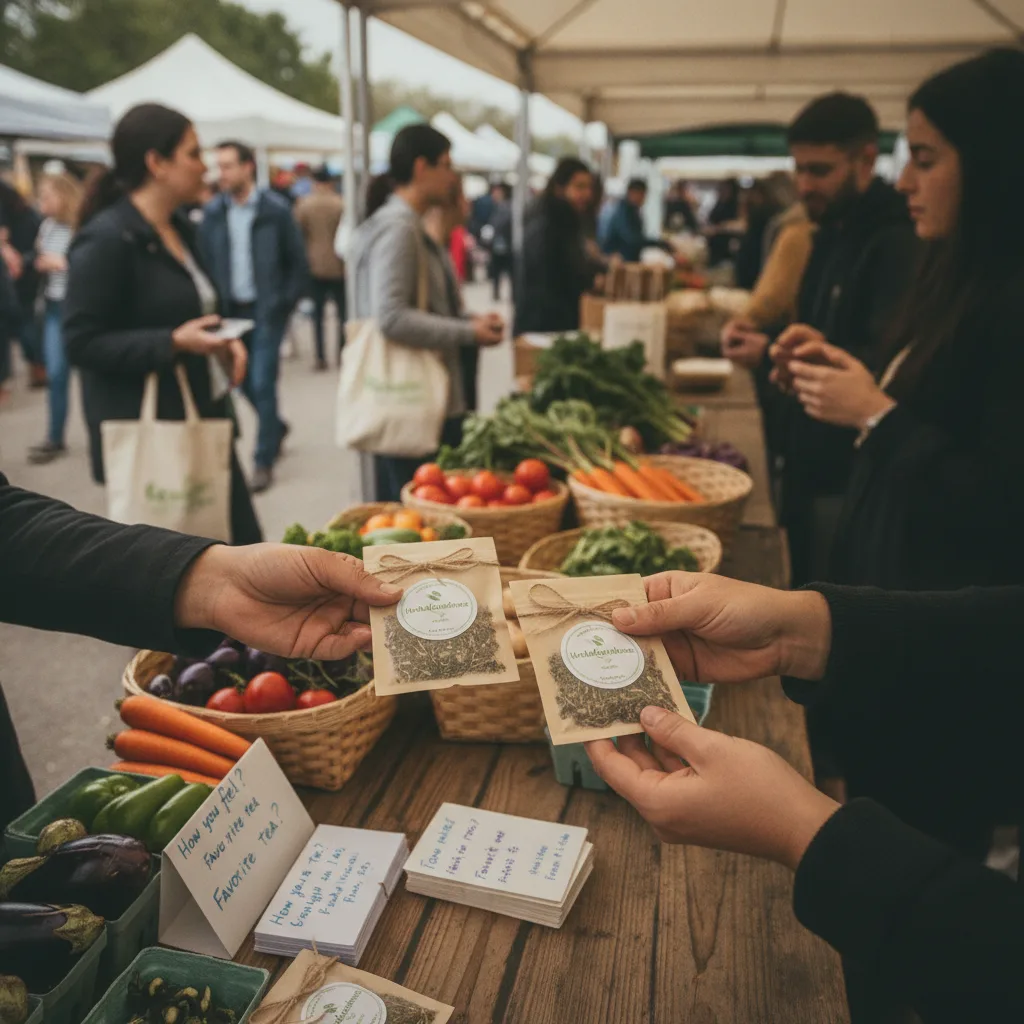
Renting a table at a local farmers’ market is a friendly, affordable way to showcase your clean, organic tea concepts. Shoppers at these markets often love to support early-stage makers and are generally open to providing feedback.
Tips for Farmers’ Market Success:
- Feature only a handful of blends to avoid overwhelming testers.
- Clearly label blends with ingredients and their plant origins.
- Prepare a simple visual setup using sustainable, minimalistic packaging (even mockups sufficie for feedback).
- Engage visitors with a short story about your inspiration—people value the narrative behind artisanal teas.
- Use a simple paper or digital survey to learn what people like and what they’d change.
Through these face-to-face encounters, you’ll collect not just flavor impressions but also spontaneous responses about packaging and branding. If you want to offer variety, consider presenting a Herbal Tea Trio Bundle | Guava, Hibiscus & Avocado – 3 Organic Packs to showcase different wellness benefits and see which draws the most interest.
Sample Swaps: Sharing Herbal Tea in the Community
Instead of tastings only at formal events, consider organizing small sample swaps with friends, neighbors, or local wellness groups. This approach feels informal, keeps costs low, and encourages honest opinions.
How a Sample Swap Works:
- Invite participants to bring their own favorite herbal infusions for a group tasting.
- Prepare your blends in small pouches or sachets, keeping everything clearly labeled as organic and plant-based.
- Facilitate open discussion—what flavors and aromas stand out? Which packaging feels appealing or needs improvement?
- Note repeat requests for specific blends—interest here hints at wider market potential.
A relaxed, community-driven session can reveal sensory impressions and packaging reactions you might not get with a formal survey. You might also discover that some participants are looking for teas with targeted health support, such as Organic Papaya Leaf Tea | 24 Premium Bags – Caffeine-Free, which could inspire new directions for your blends.
Simple Landing Pages: Testing Appeal Without a Product
You don’t need finished inventory to assess real-world demand. A single-page website—or even a social media landing page—can gauge market curiosity quickly and at ultra-low cost.
Landing Page Validation Tips:
- Create a concise, visually appealing page describing one or two blends, focusing on organic sourcing and plant-powered ingredients.
- Add images of your packaging mockups, even if hand-drawn or digital-only.
- Include a simple form: “Interested? Get notified when we launch!” or “Reserve your sample now.”
- Drive a small amount of targeted traffic (community groups, local wellness pages, or modest digital ads for herbal tea fans).
- Track signups, comments, or messages to see which ideas actually spark action.
This data-driven process shows which flavors or branding concepts capture attention—before you ever steep your first production run. You can highlight premium blends like Organic Hibiscus Tea 24 Bags | Heart Health & Antioxidant Wellness as hero products to gauge which plant-based infusions attract curiosity online.
Micro-Surveys: Learning Preferences with Brief Questions
A micro-survey can be distributed online or in-person at tasting events to collect rapid-fire feedback without overwhelming participants. Well-crafted questions give clarity on both sensory and practical considerations.
Effective Micro-Survey Questions:
- Which herbal ingredient appeals most to you in a new blend?
- How important is organic sourcing to your tea-buying decision?
- What do you look for in packaging—reusability, compostability, or design?
- Would you be interested in caffeine-free or specialty blends?
Keep your micro-survey to five questions or fewer and offer it on paper or digitally via a QR code. The insights will help you refine both formula and concept for greater market fit. If you're exploring unique botanicals, introducing options like Bulk Loose Leaf Teas & Tisanes - Organic 4oz - Herbal Wellness Teas for survey feedback can inspire future launches.
As you gather feedback and see genuine interest in your herbal tea blends, it’s worth thinking about how you’ll scale when you’re ready to sell. Sign up to become a Herbal Goodness wholesaler to access premium organic herbal teas, bulk purchasing options, and wholesale support that can help bring your product ideas to market.
Community Tasting Sessions: Inviting Hands-On Feedback
Hosting a community tasting event at a local co-op, library, or yoga studio offers a chance to collect rich sensory feedback in a friendly setting. Such sessions invite deeper engagement and encourage participants to express what truly works (or doesn’t) in your herbal tea blends.
How to Organize an Effective Tasting Session:
- Invite a small group of 10–20 participants focused on natural living or botanical wellness.
- Present multiple blends, prepared fresh, with tasting notes discussing each plant’s traditional use and flavor profile.
- Provide scorecards for taste, aroma, packaging, and overall impression.
- Facilitate roundtable feedback sessions, encouraging ideas for improvement and suggestions for new blends or names.
By emphasizing learning over selling, you create a supportive environment that sparks honest feedback and cultivates future word-of-mouth advocates. Offerings such as Bulk Herbs & Roots Online for Tea, Tinctures & DIY Wellness - Organic 4oz Bags can help show the variety of high-quality, organic ingredients available for crafting new infusions.
Packaging Concepts: Gathering Early Impressions
Don’t wait for a professional designer or print run to learn if your herbal tea’s packaging stands out. Early feedback on packaging can be as important as the blend itself.
Approaches for Low-Cost Packaging Feedback:
- Use craft paper, string, or simple tins/mockups for initial samples.
- Display alternative label options at tastings and ask which conveys the clean, organic message best.
- Encourage testers to handle, open, and comment on how packaging feels and works.
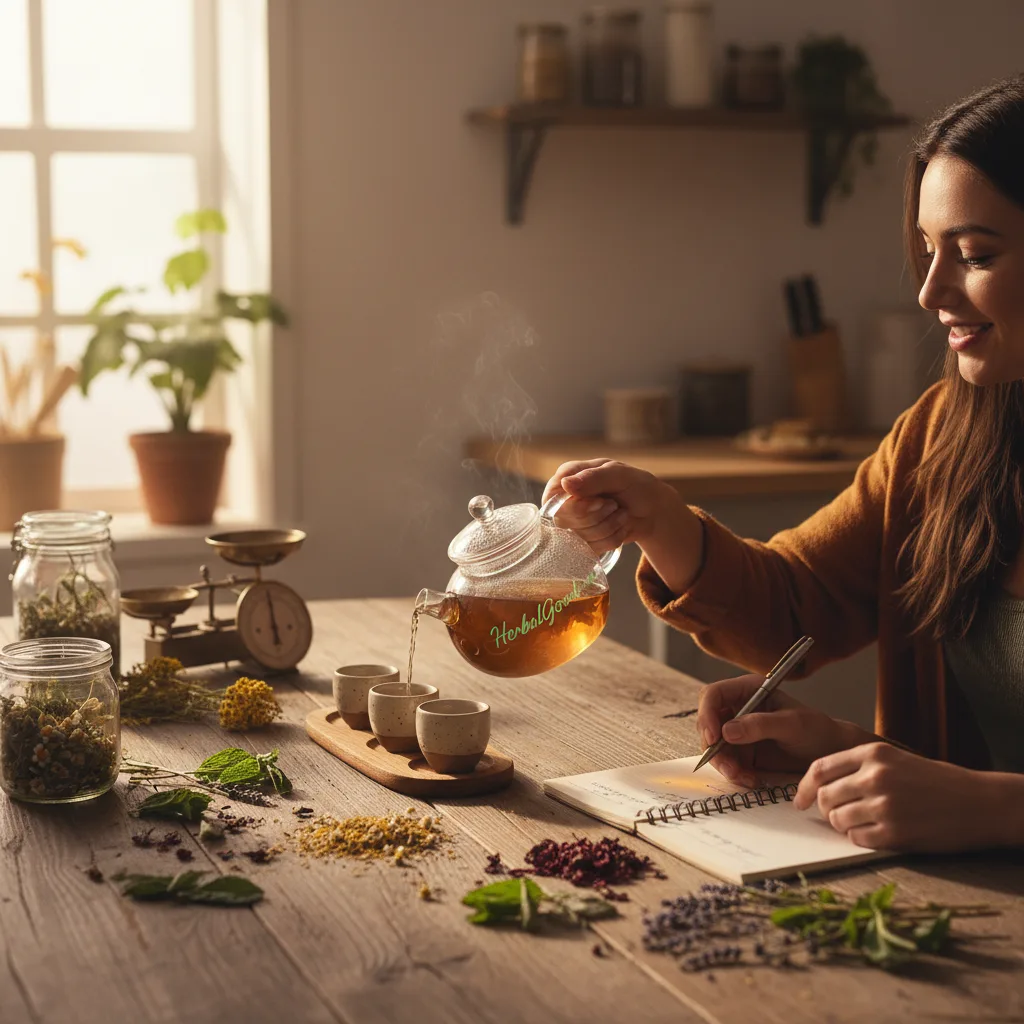
Packaging shouldn’t just look appealing—it should communicate your blend’s story and values at a glance. Early impressions will help you refine towards a look that resonates before you invest. For extra feedback on compostability and feel, referencing packaging from Bamboo Leaf Tea 24 Bags | Nature's Silica – Collagen & Biotin Support can inspire next steps.
If your testing shows strong demand, the next step is finding a dependable wholesale supplier. Sign up to become a Herbal Goodness wholesaler to explore premium organic herbal teas, flexible wholesale purchasing, and products that can support your growing café, retail, or wellness business.

The Value of Iterative Experiments and Sensory Feedback
Every herbal tea concept can be refined through iterative, real-world experiments. The goal is not to get everything perfect at once, but to learn what genuinely connects with tea drinkers while risks and costs remain minimal.
Key Principles:
- Start small: begin with micro-batches and low-risk formats.
- Iterate quickly: use feedback to adapt recipes, packaging, and branding.
- Embrace honest critique: every note helps move your concept closer to market fit.
By viewing validation as an ongoing process, you ensure your final launch will stand on the sturdy foundation of real-world resonance and community engagement.
Ready to refine your herbal tea blend? Explore these low-cost testing methods, listen to your community, and shape a concept destined for lasting connection.
FAQs:
- What are the cheapest ways to test a new herbal tea idea?
Some of the most affordable ways include pop-up stands, attending local farmers’ markets, organizing sample swaps, community tastings, and running simple online surveys or landing pages. Each approach lets you gain feedback on blends and packaging without large financial commitment.
- How can I get honest feedback on my herbal tea blends?
Face-to-face methods like pop-ups or tasting events encourage genuine responses. Sample swaps with friends or local groups also foster open feedback, while anonymous surveys attached to samples can gather candid opinions.
- Do I need finished packaging to test my tea concept?
No. Mockups or basic packaging formats work well for early-stage testing. Focus on clarity and communicating your organic, clean brand values—feedback at this stage helps guide your final design choices.
- How does a simple landing page help validate a tea idea?
A landing page lets you present your concept and see if users express real interest—through signups or sample reservations—before you commit to production. This low-cost tool measures appeal and gathers contact information for future engagement.
- What should my herbal tea survey ask?
Surveys should be brief and focus on key insights—favorite ingredients, importance of organic sourcing, packaging preferences, and willingness to buy. Use no more than five questions for improved participation.
- Why is community tasting valuable for herbal tea validation?
Community tastings provide rich, in-person sensory feedback. Participants can offer nuanced insights on flavor, aroma, and branding that might not surface in online surveys, making improvements more targeted.
- Is it necessary to make large batches to test audience response?
No—start with small, manageable batches to minimize waste and cost. Iterative testing lets you focus on learning and adapting before scaling production.
Author Name:
Herbal Goodness Editorial Team
Author Bio:
The Herbal Goodness Editorial Team specializes in holistic health and superfoods, blending science and nature to educate and empower our community.
References:
Introducing Graviola to Young Taste Buds: Fun, Family-Friendly Flavor Exploration
Graviola in the Classroom and at Home: Creative Activities to Teach Kids About Tropical Plants


FAQs
Drinking bamboo leaf tea supports hydration, relaxation, skin wellness, and antioxidant balance.
It’s used for general body wellness, skin elasticity, hair and nail support, and overall vitality.
Yes, bamboo leaf is rich in silica and antioxidants, which promote healthy skin, strong nails, and a youthful glow.
You can find dried bamboo leaf, powder, extract, drops, oil, and bamboo leaf green tea.
Bamboo leaf is generally safe when consumed in moderation. Always consult your healthcare provider before starting any new herbal supplement.