





How to Spot Genuine Sea Moss: Identify Authentic Species, Appearance, and Sourcing

Sea moss, a nutrient-rich seaweed revered in plant-based routines, has surged in popularity around the world. Its natural origin, texture, and color are praised by wellness enthusiasts, but buyers are often unsure how to differentiate authentic sea moss from processed or synthetic imitations. Understanding what makes sea moss "genuine" is essential for anyone seeking high-quality ingredients. This comprehensive guide explores the key characteristics of true sea moss, basic sensory checks, and ethical sourcing practices—empowering you to make confident choices during your next purchase.
Understanding Sea Moss: What Does "Genuine" Mean?
True sea moss refers to wild-harvested, whole seaweed from clean, natural ocean environments. Unlike lab-grown or heavily processed variants, it retains its characteristic species traits, shape, and color. Authentic sea moss can be traced to specific regions and harvesters who practice sustainable collection. Recognizing these fundamental aspects helps demystify the sea moss marketplace and protects both your wellness goals and ocean ecosystems.
If you aim for the highest quality, selecting Sea Moss - Raw Dried from St Lucia - 8oz Bag - Nature's MultiVitamins is a strong start, since its sourcing and preparation align with genuine standards.
Common Sea Moss Species and Their Unique Traits
When choosing sea moss, knowing the main varieties is foundational. There are hundreds of edible seaweed species, but a handful dominate the plant-based nutrition market. The most recognized varieties include:
Chondrus crispus (Commonly Known as Irish Moss)
Appearance:
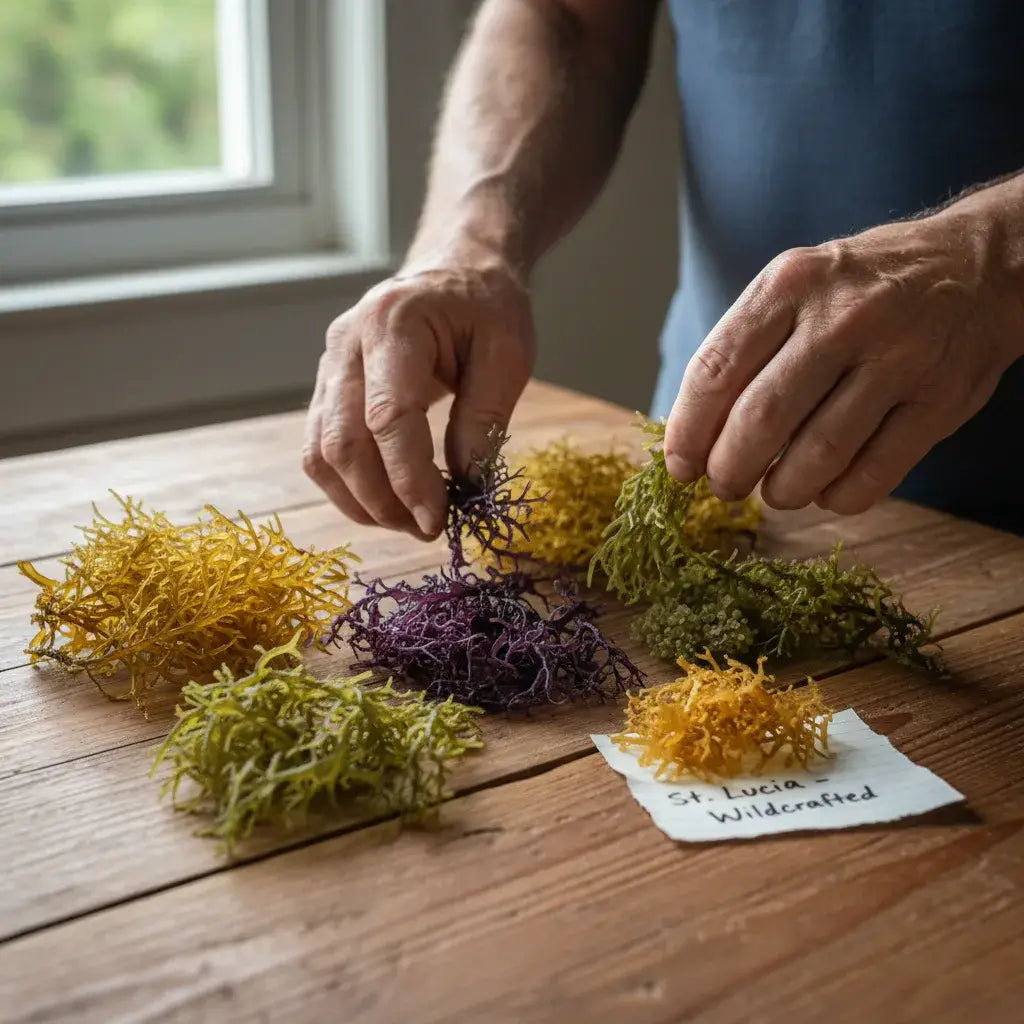
- Color: Ranges from deep purple to reddish-brown, sometimes with iridescent edges
- Texture: Satiny, slippery surface with small, fan-shaped fronds
- Form: Grows in flat, branching segments, each a few centimeters wide
Origin:
- Cool Atlantic coasts (notably Ireland, Canada, and parts of New England)
Tip: True Chondrus crispus is rarely bright green or yellow and often exhibits a somewhat curly, delicate look. It is distinct from more robust, stringy varieties.
Eucheuma cottonii and Gracilaria spp. (Commonly Marketed as Sea Moss)
Appearance:
- Color: Light gold, tan, or greenish-yellow when sun-dried; sometimes pinkish or purple in wild specimens
- Texture: Firm, brittle when fully dried; softens significantly when soaked
- Form: Long, noodle-like, and branching; thinner and less flat than Chondrus crispus
Origin:
- Warmer tropical waters—especially the Caribbean, Central and South America, Southeast Asia
Tip: Genuine wild-harvested Gracilaria is slightly translucent, with uneven thickness, often accompanied by traces of ocean debris like sand or shell fragments.
When integrating authentic sea moss into a plant-based wellness plan, many people also explore nutrient synergy with products like Sea Moss Gel 16 oz – Nutrient-Rich Superfood for Everyday Wellness, which preserve natural gel structure and nutrients.
Color, Texture, and Form: Simple Visual and Touch-Based Identifiers
Being able to recognize differences in color, feel, and structure is an essential “field test” when evaluating sea moss.
Recognizing Authentic Color
- Natural Tones: True sea moss is rarely one solid, unnatural color. Expect variations—faded areas, contrasting hues, or slight imperfections.
- Manufactured Signs: Neon, very bright white, pure yellow, or vividly dyed colors can indicate processing or additives.
Texture Clues
- Wild Texture: Genuine sea moss should feel coarse or gritty before soaking. The structure is flexible but not rubbery or slimy. Small bits of sand or natural material are normal.
- Processed Texture: Fake or over-processed types feel overly smooth, sticky, or gelatinous right out of the bag, with a uniform consistency.
Structural Features
- Whole Structure: Wild-harvested sea moss rarely looks perfectly uniform. Expect branching, uneven lengths, and occasional broken tips.
- Shredded/Pressed Forms: If the "sea moss" appears like pressed sheets, flakes, or has a suspiciously regular geometry (identical pieces), it’s likely altered during processing.
To maintain the visual and sensory quality of your supply, opt for products labeled raw and minimally processed, such as Sea Moss - Raw Dried from St Lucia - 8oz Bag - Nature's MultiVitamins.
Practical Sensory Checks: How to Evaluate Sea Moss at Home
Beyond appearance, your nose and touch are powerful tools in verifying authenticity.
Scent Test
Authentic wild-harvested sea moss smells distinctly of the ocean—salty, earthy, and slightly briny. Processed or imitation products are often odorless or carry a faint chemical or sweet scent as a result of added preservatives or dyes.
Soak-and-Feel Test
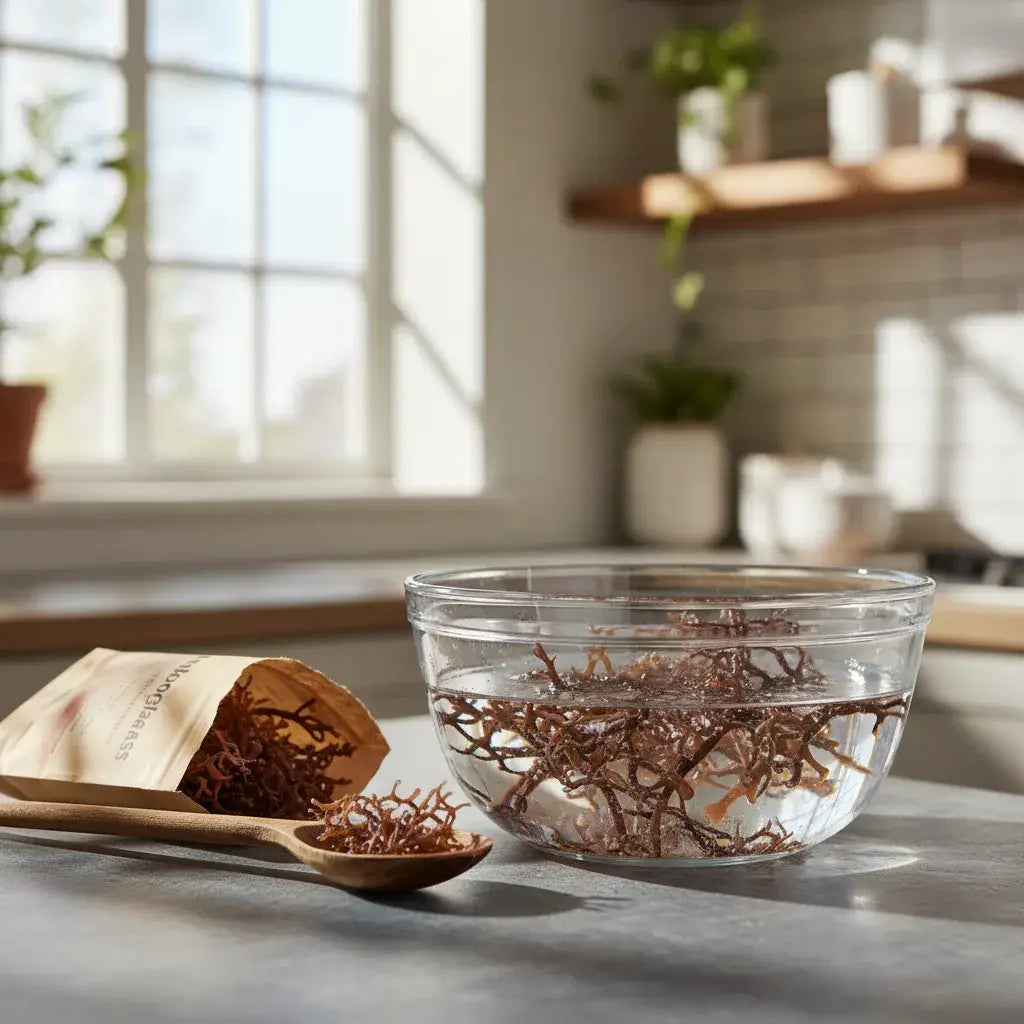
- Place a small handful of dry sea moss in water for several hours.
- Observe swelling: Genuine sea moss plumps naturally and softens while retaining its shape. Water might become cloudy but not overly viscous or slimy.
- Feel and compare: Wild-harvested variants will feel robust, with texture and subtle elasticity. Processed types break down easily or turn gooey.
Buying Sea Moss Gel 16 oz – Nutrient-Rich Superfood for Everyday Wellness lets you experience these properties firsthand, since it’s crafted from quality wild-sourced seaweed.

Reading Labels: Important Clues to Authenticity
Packaging information can be one of your best allies—or a source of confusion. Prioritize these details when selecting sea moss for your plant-based rituals:
Sourcing and Origin
- Transparent sourcing: Does the label state the country and region of harvest?
- Wild vs. farmed: Look for mentions of wild-harvested or wildcrafted with clear traceability statements.
- Harvest methods: Labels that specify manual or sustainable harvesting typically indicate higher authenticity.
Product Form
- Whole or raw: Genuine products clearly state their form—whole, raw, or sun-dried. Avoid labels heavy on adjectives or unclear about processing steps.
- No unnecessary additives: Pure sea moss contains only one ingredient and no artificial preservatives, colorants, or sweeteners.
Certifications and Batch Numbers
- Certifications: Some premium brands invest in third-party organic or sustainability certifications. While not always present, these can add extra legitimacy.
- Batch traceability: Quality sea moss vendors provide batch numbers, allowing you to trace back to source harvests.
Sourcing sea moss with clear labeling, such as Sea Moss - Raw Dried from St Lucia - 8oz Bag - Nature's MultiVitamins, ensures transparency from harvest to packaging.
Ethical and Sustainable Sourcing: Questions Every Buyer Should Ask
Ethical sourcing preserves the natural marine ecosystem and supports responsible businesses. Use these questions when evaluating a sea moss vendor:
- Can you specify where the sea moss was harvested?
- Who collects and processes the sea moss, and what collection practices do they follow?
- How is the sea moss dried—naturally under the sun or mechanically?
- Is the product traceable by batch or harvest date?
- Do you partner with local harvesters or communities in the supply chain?
Supporting Bulk Herbs & Roots - Organic 4oz Bags - Herbal Tea from companies that disclose origin and partner with community harvesters aligns with ethical shopping values.
Buying Direct: Tips for Sourcing Sea Moss Online and In-Person
Purchasing seaweed, especially for wellness routines, is an investment in quality. Here are practical steps to follow:
- Shop certified vendors or local markets: Choose sellers with transparent sourcing stories and customer support.
- Request detailed product photos: When shopping online, ask for high-resolution close-ups to inspect color, texture, and size.
- Verify reviews and testimonials: Look for independent feedback mentioning product authenticity and customer service.
- Confirm return and refund policies: Established vendors offer fair returns, showing confidence in product legitimacy.
- Ask for documentation: Serious importers supply certificates of authenticity or lab tests showing the product’s origin.
For consumers who value label accuracy and traceability, using Sea Moss - Raw Dried from St Lucia - 8oz Bag - Nature's MultiVitamins offers peace of mind and repeatable quality.
Sea Moss Safety: Handling and Storage Fundamentals
Maximize your sea moss quality with correct storage and handling:
- Store dry sea moss in a cool, dry, dark place in an airtight container.
- Inspect before use: Discard if any unusual odor, visible mold, or excessive dampness develops.
- Prepare only small amounts at a time: Once rehydrated, sea moss should be refrigerated and used within a few days.
Those who want a shelf-stable, easy-to-use version can select Sea Moss Gel 16 oz – Nutrient-Rich Superfood for Everyday Wellness, which has clear preparation and storage guidelines.
Adopting Sea Moss in Your Plant-Based Routine
Bringing authentic sea moss into your plant-based rituals ensures you benefit from its natural properties and supports responsible harvesters. Whether blending into smoothies, gels, or culinary creations, always prioritize transparency, origin, and sustainable practices for the best experience.
To diversify your plant-based pantry, consider Bulk Herbs & Roots - Organic 4oz Bags - Herbal Tea or combine with Sea Moss Gel 16 oz – Nutrient-Rich Superfood for Everyday Wellness for convenient and genuine superfood nourishment.
FAQs:
- How can I visually tell if sea moss is genuine?
Genuine sea moss features natural variation in color and structure, with some uneven thickness and branching. Avoid overly uniform, brightly colored, or unnaturally smooth products that may signal processing or imitation.
- What should true sea moss smell like?
True sea moss has a salty, oceanic, and slightly earthy scent, much like sea air. Products lacking this aroma or smelling sweet, chemical, or artificial are less likely to be authentic.
- Why is traceability important when buying sea moss?
Traceable sea moss ensures you know the exact region, harvesting method, and supply chain details. This supports both product quality and ethical, environmentally friendly sourcing.
- What species of sea moss are most common in wellness routines?
Chondrus crispus (often called Irish moss) and varieties of Gracilaria and Eucheuma are most widely used. Each has distinct appearance, color, and regional origins.
- Is wild-harvested sea moss better than cultivated brands?
Wild-harvested sea moss is often valued for its natural characteristics and connection to ocean ecosystems. However, authentic, responsibly farmed options can also be of high quality if they’re transparent about sourcing.
Author Name:
Herbal Goodness Editorial Team
Author Bio:
The Herbal Goodness Editorial Team specializes in holistic health and superfoods, blending science and nature to educate and empower our community.
References:
Introducing Graviola to Young Taste Buds: Fun, Family-Friendly Flavor Exploration
Graviola in the Classroom and at Home: Creative Activities to Teach Kids About Tropical Plants
Share this

Popular posts


FAQs
1. What are the main benefits of drinking bamboo leaf tea?
Drinking bamboo leaf tea supports hydration, relaxation, skin wellness, and antioxidant balance.
2. What is bamboo leaf extract used for?
It’s used for general body wellness, skin elasticity, hair and nail support, and overall vitality.
3. Can bamboo leaf help with skin care and body wellness?
Yes, bamboo leaf is rich in silica and antioxidants, which promote healthy skin, strong nails, and a youthful glow.
4. What forms of bamboo leaf are available?
You can find dried bamboo leaf, powder, extract, drops, oil, and bamboo leaf green tea.
5. Are there any side effects of bamboo leaf?
Bamboo leaf is generally safe when consumed in moderation. Always consult your healthcare provider before starting any new herbal supplement.