





How to Build a Home Apothecary with Everyday Plant-Based Supplements
Creating your own home apothecary has become a meaningful practice for those seeking to deepen their connection with nature and infuse their daily routines with plant-based ingredients. Plant-powered supplements, prepared for a variety of lifestyle uses, are steadily becoming a staple in modern households. From artful herbal teas to aromatic culinary blends and versatile topical preparations, these natural additions foster both creativity and ritual. Whether you have a spacious kitchen or a compact apartment, assembling a home apothecary is both rewarding and achievable—even for complete beginners. Let’s explore practical strategies to curate a purposeful collection, select the right forms of supplements, organize your space efficiently, and source your ingredients ethically for everyday enjoyment and mindful living.
Choosing the Right Forms for Your Home Apothecary
Every home apothecary begins with understanding the types of plant-based supplements available. Each form offers unique uses and allows for creative flexibility in daily routines.
Herbal Teas: The Foundation of Plant-Based Living
Herbal teas are one of the simplest gateways into the world of botanical ingredients. Loose-leaf infusions beautifully highlight a plant’s natural aroma and flavor, whether served hot or cold. Flowers, leaves, roots, and spices can all be blended, steeped, and enjoyed as gentle, flavorful beverages or used to add aromatic character to culinary creations.
Benefits of Herbal Teas for Daily Use:
- Gentle, natural flavors suitable for sipping or culinary infusions
- Can be prepared as morning rituals or cozy evening drinks
- Easy to blend with spices and dried fruit for taste
If you want to start simply yet powerfully, Soursop Leaf Tea Graviola Leaves - Organic 24/2g Tea Bags - Immunity & Cell Renew offers a mild, nourishing experience perfect for daily enjoyment. Letting these varieties take a central place encourages creative blends and helps anchor your herbal rituals.
Tinctures: Convenient and Long-Lasting Liquid Extracts
Tinctures are liquid extracts made from soaking dried herbs in alcohol or glycerin. Compact and travel-friendly, they offer a concentrated way to add plant-based ingredients to drinks or recipes. Just a few drops are enough to impart rich herbal essence in mocktails, smoothies, or even salad dressings.
Why Include Tinctures in Your Apothecary?
- Easy to measure and use, even on the go
- Long shelf life compared to fresh or dried herbs
- Versatile for culinary and beverage applications
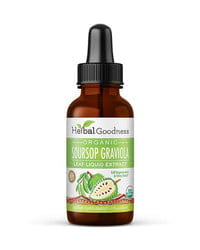
Options such as the Soursop Leaf Graviola Extract - - Organic 15X Liquid Extract - Cell Renew & Immunity can be added to elixirs or wellness shots for a highly bioavailable way to experience your botanicals.
Herbal Powders: Versatile and Mixable
Herbal powders provide a concentrated, shelf-stable form of your favorite botanicals. Easily stirred into smoothies, blended into lattes, or sprinkled on breakfast bowls, powders make it simple to incorporate plant-based ingredients into everyday meals. Choose single-plant powders or thoughtful blends for customized flavors.
Practical Uses for Herbal Powders:
- Stir into yogurt, oatmeal, or sauces for extra flavor
- Add to bread or pancake batter for a botanical twist
- Mix into body or facial scrubs for topical rituals
For optimal versatility, try keeping a jar of Papaya Seed Powder - Organic 4oz Bag - Colon & Gut Cleanse on hand. It transitions easily from kitchen to self-care routines, giving your apothecary a dynamic edge.
Capsules: Convenience Meets Precision
Capsules are a straightforward way to include specific herbs and botanicals in your routine when taste or texture isn’t desired. Pre-measured and neatly contained, capsules offer consistency, making them a popular choice for those with busy lifestyles.
When to Select Herbal Capsules:
- For travel, work, or when discreetness is important
- If you prefer not to taste strong herbal flavors
Choosing solutions like Graviola Soursop Leaf Extract – 10X 60/600mg Capsules - Cell Renew & Immunity can help maintain your botanical routine even during a hectic schedule, ensuring supportive consistency.
Practical and Creative Uses for Plant-Based Supplements
When assembling your home apothecary, think beyond beverages. Plant-based supplements bring variety and inspiration to many areas of daily living:
Culinary Exploration with Herbs
Incorporate dried herbs, tinctures, and powders to elevate your cooking. Add dried rosemary or sage to roasted vegetables for depth, sprinkle Papaya Seed Powder into soups for a vivid hue, or create flavorful salad dressings with infused vinegars. Even a touch of Sea Moss - Raw Dried from St Lucia - 8oz Bag - Nature's MultiVitamins can boost both nutritional value and culinary excitement.
Handmade Ritual Teas and Elixirs
Use your loose herbs and flowers to blend unique teas for moments of calm or celebration. Layer flavors with spices, citrus peels, or sweet dried berries. Crafting your blends helps personalize your rituals, making every cup a sensory experience.

As you expand your repertoire, consider the elegant flavors of Bamboo Leaf Tea – 24/1.5g Tea Bags - Nature's Collagen & Biotin for a beauty-boosting sip or try Papaya Leaf Tea - Organic 24/2g Tea Bags for a functional daily infusion.
Topical Preparations and Aromatic Baths
Herbal powders and dried botanicals are wonderful in scrubs, bath soaks, or as part of a simple skincare routine. Oat powder, calendula petals, and lavender buds are classics for gentle, aromatic blends. Always conduct a patch test prior to new topical use. The versatility of Papaya Seed Powder also makes it ideal for gentle exfoliation formulas.
Eco-Friendly Home Fragrance
Bundle leftover herbs or citrus peels with twine and hang them to dry for natural air freshening. Simmering a pot of water with cinnamon sticks, thyme, or orange peel is an easy way to create a refreshing indoor aroma. To further infuse your home with wellness, try blending Soursop Leaf Tea Graviola Leaves leaves or citrusy botanicals for a personalized touch.
Setting Up and Organizing Your Home Apothecary
To maximize both space and freshness, it’s important to consider how you’ll store your ingredients and supplements.
Selecting Storage Containers
Choose airtight glass jars for herbs and powders to retain their aroma and character. Dark or amber glass helps block light, preserving vibrancy. For tinctures, opt for dropper bottles in opaque or amber tones. Clearly labeled capsules can be kept in their original containers or transferred to glass for uniformity.
Labeling for Clarity
Precise labeling prevents confusion and ensures every item in your apothecary is easy to access. Include the plant name, form (e.g., powder, tincture), and the date of purchase or preparation. Consider color-coded labels for quick identification.
Arranging for Practicality and Beauty
Display your most-used teas, herbs, and powders at the front of your shelf or cabinet for effortless access. Use tiered organizers or spice racks to maximize small spaces. Remember—a home apothecary is as much about beauty as utility.

Essential Tips for Ethical Sourcing and Quality Selection
The value of your home apothecary lies in the care and intention behind each selection. Sourcing practices affect not just quality, but also the well-being of plants, communities, and the environment.
How to Find Trustworthy Suppliers
Look for suppliers that offer detailed information about origin, sustainability, and harvesting practices. Small family-owned farms or certified organic collectives often disclose their growing methods and can tell you more about the ecology of their plants. Avoid products without clear sourcing details or transparent ingredient lists.
When seeking quality, responsibly-sourced extracts, Soursop Leaf Graviola Extract - - Organic 15X Liquid Extract - Cell Renew & Immunity is a great example of transparency and high standards. Its clear sourcing philosophies set the bar for what to look for when shopping.
Questions to Ask When Shopping
- Was this plant cultivated or wild harvested in a responsible way?
- Are there fair trade or community benefit certifications?
- Does the supplier offer lab analysis or purity checks?
Supporting Local and Seasonal Choices
Whenever possible, opt for locally grown or in-season botanicals. Local farmers’ markets and herbalist collectives are excellent sources for fresh herbs and can often provide advice on selection. This not only supports your community but also helps reduce the environmental costs of transportation and packaging.
If you're expanding your inventory with nutrient-dense options, Sea Moss - Raw Dried from St Lucia - 8oz Bag - Nature's MultiVitamins provides a way to bring the bounty of sustainable harvests into everyday life.
Mindful Acquisition and Minimal Waste
Buy only what you can use within a reasonable time frame. Herbs and powders lose their vibrancy when stored too long or exposed to air and light. Plan your apothecary based on your most frequent uses and adjust your inventory seasonally.
Keeping Your Home Apothecary Fresh and Sustainable
Proper maintenance ensures your plant-based supplements retain their character for as long as possible.
Shelf Life Guidelines
Generally, dried herbs and powders maintain their aroma and potency for 6-12 months when stored in cool, dark, and dry places. Tinctures can last for several years if properly sealed and protected from direct sunlight. Capsules are best kept tightly closed and away from humidity.
Regular stock rotation will extend the life and vibrancy of staples like Papaya Seed Powder and your chosen teas, supporting a sustainable and waste-minimizing tradition.
Rotation and Restocking
Regularly rotate your stock, using older ingredients before new ones. Check for any changes in color, aroma, or texture that may signal it’s time to compost and restock. Establish a habit of updating your apothecary every season to keep everything at its best.
Embracing the Home Apothecary Lifestyle
Building a home apothecary isn’t just about collecting jars and powders—it’s about fostering creativity, sustainability, and intention in the way you live. Through thoughtful selection, mindful sourcing, and artful arrangement, you craft a space that supports culinary adventure, ritual moments, and holistic daily routines. Whether sharing an herbal tea with friends, adding new flavors to a meal, or preparing a fragrant bath, your apothecary becomes a living expression of the natural world in your home.
FAQs:
- What are the basic supplies needed to start a home apothecary?
Begin with essential items such as airtight glass jars, labeling materials, measuring spoons, a strainer for teas, a mortar and pestle, and a variety of plant-based supplements in your preferred forms (teas, tinctures, powders, or capsules).
- How should herbal teas and powders be stored to maintain their freshness?
Store herbal teas and powders in airtight containers made of glass or metal, away from direct sunlight, heat, and moisture. Amber or dark-colored containers are preferable for blocking light and extending freshness.
- How do I know if a supplier is ethically sourcing their herbs?
Look for transparency about sourcing and harvesting practices, certifications (such as organic or fair trade), and information on community or environmental benefit. Reputable suppliers often provide these details on their websites or packaging.
- Can I blend my own herbal teas at home?
Yes! Blending your own teas is a creative and personalized way to enjoy botanicals. Combine different flavors, such as flowers, leaves, roots, and spices, to suit your taste preferences and desired aroma.
- Are there non-beverage uses for my apothecary ingredients?
Absolutely. Many plant-based supplements can be incorporated into DIY scrubs, bath soaks, culinary creations, and even homemade natural fragrances for your living space.
- How often should I rotate or restock my home apothecary?
It’s best to rotate and restock seasonally, every three to four months. Always use older ingredients first and check for signs of aging such as faded color or a change in aroma.
Author Name:
Herbal Goodness Editorial Team
Author Bio:
The Herbal Goodness Editorial Team specializes in holistic health and superfoods, blending science and nature to educate and empower our community.
References:
Introducing Graviola to Young Taste Buds: Fun, Family-Friendly Flavor Exploration
Graviola in the Classroom and at Home: Creative Activities to Teach Kids About Tropical Plants


FAQs
Drinking bamboo leaf tea supports hydration, relaxation, skin wellness, and antioxidant balance.
It’s used for general body wellness, skin elasticity, hair and nail support, and overall vitality.
Yes, bamboo leaf is rich in silica and antioxidants, which promote healthy skin, strong nails, and a youthful glow.
You can find dried bamboo leaf, powder, extract, drops, oil, and bamboo leaf green tea.
Bamboo leaf is generally safe when consumed in moderation. Always consult your healthcare provider before starting any new herbal supplement.