





Functional Mushrooms 101: Compounds, Traditional Uses, and Scientific Exploration

Mushrooms have fascinated cultures around the world for centuries, not just as culinary staples, but also as storied botanicals. Among them, functional mushrooms—such as reishi, chaga, cordyceps, shiitake, and lion's mane—stand out for their array of plant compounds and deep-rooted traditions. With a rising curiosity in the modern world, these fungi are capturing attention, both for their distinctive profiles and the scientific interest they generate. To understand their significance, it's essential to explore their core compounds, historical uses, and the way contemporary science investigates their qualities for a broader sense of wellbeing.
Understanding Functional Mushrooms and Their Varieties
What Defines a Functional Mushroom?
Functional mushrooms, sometimes called medicinal mushrooms, are a diverse group of fungi that have a long history of being used for more than just flavor in meals. While many edible mushrooms are used in daily cooking, certain varieties are prized for a unique combination of natural compounds that have fueled curiosity and folklore across cultures.
Well-Known Functional Mushrooms
- Reishi (Ganoderma lucidum): Renowned in East Asia, reishi is often called the “mushroom of immortality.”
- Chaga (Inonotus obliquus): Highly regarded in northern European and Asian folk traditions, chaga is recognized by its dark, charcoal-like appearance on birch trees.
- Cordyceps (Cordyceps militaris and Cordyceps sinensis): Famed for its use in Himalayan communities, cordyceps is unique for growing on certain insects or in cultivated form.
- Shiitake (Lentinula edodes): Popular in Asian cuisine, shiitake has a rich history beyond its savory taste.
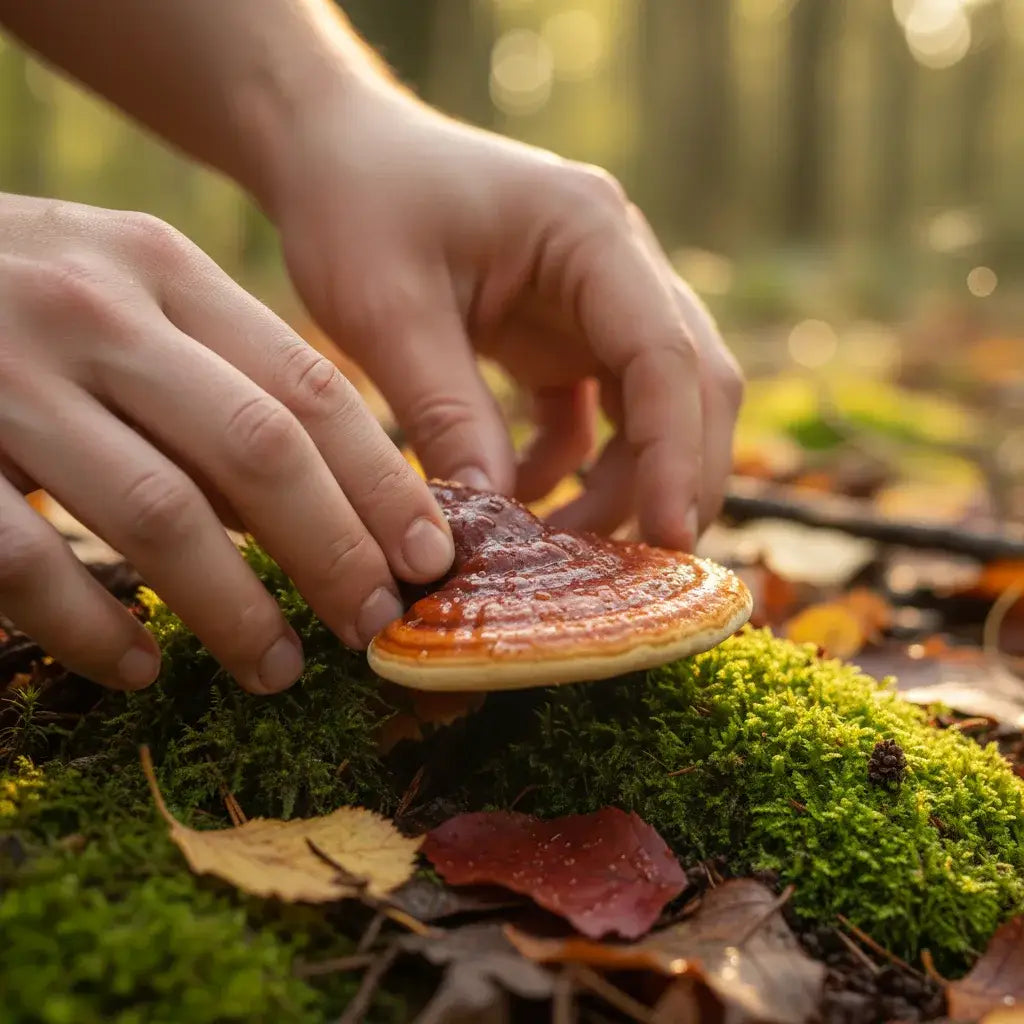
- Lion’s Mane (Hericium erinaceus): Easily recognized by its flowing, white tendrils, lion’s mane is both a delicacy and a storied botanical.
Each of these mushrooms contains an array of bioactive substances—natural compounds believed to account for much of the cultural attention they receive. Some modern products, like the Mushroom Blend - Organic 1oz 15X Liquid Extract - Adaptogens & Brain Power, combine several of these renowned varieties into a single formula for contemporary wellness routines.
Exploring Key Compounds in Functional Mushrooms
Polysaccharides: The Structural Sugar Chains
Polysaccharides are complex carbohydrates that form structural frameworks in the cell walls of mushrooms. These large molecules, particularly a subgroup known as beta-glucans, are a primary focus of interest.
Beta-Glucans
- Beta-glucans are polysaccharides found in varying quantities across mushroom species.
- They contribute to the texture and form of the mushroom, and their unique structures often draw the attention of researchers keen on understanding how mushrooms interact within the body.
To maximize the intake of beta-glucans and other beneficial polysaccharides, some turn to thoughtfully formulated products such as Lion's Mane Mushroom Liquid Extract - Organic 1oz - Brain & Mood, which offers a targeted way to access specific mushroom benefits.
Antioxidants: Defending Against Free Radicals
Mushrooms also contain various antioxidants, such as ergothioneine and selenium compounds, which play a role in helping neutralize oxidative processes within living organisms. While all mushrooms possess some antioxidant capacity, certain functional mushrooms like chaga and reishi are cited in traditional practices as especially rich sources. Choosing blends with a diversity of mushrooms, such as the Mushroom Blend - Organic 1oz 15X Liquid Extract - Adaptogens & Brain Power, can help support overall antioxidant intake.
Triterpenes, Sterols, and Unique Metabolites
Some mushrooms, especially reishi and chaga, produce specialized compounds like triterpenes and sterols. These secondary metabolites are credited by cultures with contributing to the symbolic significance and practical roles attributed to respective mushrooms.
Traditional Perspectives: Global Use of Functional Mushrooms
East Asian Traditions
In China and Japan, mushrooms like reishi and shiitake have featured in botanical compendiums for centuries. They are incorporated in a variety of preparations, including teas, extracts, and broths. These traditions often speak to the connection between mushrooms and overall vitality. Modern wellness seekers may incorporate similar practices by brewing Soursop Leaf Tea Graviola Leaves - Organic 24/2g Tea Bags - Immunity & Cell Renew, which pairs traditional tea culture with plant-based support.
Siberian and Northern European Practices
Chaga has long been a part of folk heritage in Siberia and northern Europe, typically steeped as a tea. Its presence on birch trees and the rich, dark infusion it produces have made it an enduring symbol in those climates. Today, variations on these time-honored infusions can be found in wellness teas and herbal blends.
Himalayan and Tibetan Wisdom
Cordyceps has been valued by Himalayan communities, homes to altitudes where this unique fungus grows wild. Traditionally, it is consumed in soup or tea infusions, and its use is linked with long-standing rituals and practices. Cordyceps-inspired products sit alongside other adaptogenic mushroom formulas to support contemporary needs.
Contemporary Culinary and Wellness Communities
Today, mushrooms such as lion’s mane and shiitake are appearing in gourmet dishes and wellness formulas, celebrated both for their flavors and their cultural symbolism. Those interested in enhancing cognitive focus or mood may find liquid lion's mane supplements, including Lion's Mane Mushroom Liquid Extract - Organic 1oz - Brain & Mood, especially relevant for modern routines.
Scientific Approaches: How Researchers Explore Functional Mushrooms
Designing Mushroom Research
Scientific exploration of mushrooms is a systematic process. Research typically begins by selecting a specific mushroom species and identifying the natural compounds it contains. This foundational phase may involve:
- Extraction: Isolating desired substances, such as beta-glucans or antioxidants, from the mushroom fruiting body or mycelium. Different extraction methods are reflected in some products for optimal bioactive compound content.
- Chemical Analysis: Characterizing the isolated components using advanced laboratory techniques.
- In Vitro Testing: Conducting studies in cell cultures to observe how mushroom compounds interact with biological systems.
- In Vivo Models: Sometimes, early research moves into animal studies, adhering to rigorous ethical standards to collect preliminary data.
From Lab Bench to Real-life Context
After initial studies, researchers often seek to understand if laboratory findings are reflected in real-world contexts. This is typically done through human studies, which can range from observational to interventional designs:
- Observational Studies: Watching what happens when groups of people consume mushrooms within their normal routines.
- Interventional Studies: Providing participants with a standardized type or dose of a mushroom to measure specific outcomes.
Types of Evidence to Look For
Not all studies carry the same level of certainty. Readers evaluating information about functional mushrooms should consider:
- Randomized Controlled Trials (RCTs): Participants are randomly assigned to receive a specific mushroom supplement or a control, then observed for outcomes. These are often considered the gold standard for gathering evidence, although in the mushroom space, RCTs are less common due to cost and complexity.
- Systematic Reviews & Meta-Analyses: Analyses that collect and synthesize results across many studies to reach broader conclusions.
- Case Studies and Traditional Reports: Individual stories or descriptive accounts, while intriguing, provide the lowest level of evidence.

Questions to Ask When Reading Mushroom Headlines
With enthused reporting on functional mushrooms, it’s important to maintain a thoughtful perspective. Here are some key questions readers can use to critically evaluate claims:
- What kind of study was conducted? Check if research was laboratory-based, animal-based, observational, or a human trial.
- How large and diverse was the study group? Small or narrowly focused studies can limit broader insights.
- Was the mushroom used in traditional whole-food form or as a high-dose extract? Extraction methods and doses can vary widely from what is traditionally consumed.
- Are the claims supported by multiple studies, or just one? Reproducibility adds credibility.
- Who sponsored the research? Consider whether funding sources may bias the findings.
Evaluating Product Claims: A Practical Guide
Understanding Label Terminology
Shopping for functional mushroom products—from capsules and powders to teas and tinctures—can be overwhelming. Look for these details:
- Clear Species Naming: Products should state the exact species (e.g., Ganoderma lucidum, not just “reishi”).
- Part Used: Is the product made from mycelium, fruiting body, or both?
- Extraction Method: Hot water, alcohol, or dual extraction can all yield different compound profiles.
- Standardized Compounds: Does the product mention levels of beta-glucans, polysaccharides, or other compounds?
When seeking out a multi-mushroom solution with transparent labeling, the Mushroom Blend - Organic 1oz 15X Liquid Extract - Adaptogens & Brain Power is designed for clarity and a high concentration of active mushroom constituents.
Recognizing Regulatory Context
Functional mushrooms are typically available as foods or dietary supplements. This means their labeling usually avoids specific health statements and focuses on historical or nutritional aspects. It’s best to look for products with third-party certifications for quality assurance, such as non-GMO, organic, or independent lab testing. For those wanting to include mushrooms in the relaxing ritual of tea, Soursop Leaf Tea Graviola Leaves - Organic 24/2g Tea Bags - Immunity & Cell Renew meets several quality mark criteria.
Sifting Through Marketing and Reality
Stay aware of marketing language. Statements about supporting wellbeing reflect traditional usage, which may or may not match scientific findings. Ask for clarity on what is tradition, what is scientific evidence, and where more research is still needed.
Integrating Functional Mushrooms Into Daily Life
Simple Culinary Uses
Many functional mushrooms, such as shiitake and lion’s mane, are delicious additions to soups, stir-fries, and grain dishes. Dried mushrooms can be rehydrated or powdered for easy use in broths or sprinkled in recipes. For those preferring convenience, incorporating products like Lion's Mane Mushroom Liquid Extract - Organic 1oz - Brain & Mood into recipes or drinks makes daily use effortless.
Traditional Preparations
- Reishi and Chaga Teas: Simmered for extended periods to create dark, earthy infusions.
- Cordyceps Broths: Used in traditional celebration foods and as part of wellness-focused routines.
For tea lovers, Soursop Leaf Tea Graviola Leaves - Organic 24/2g Tea Bags - Immunity & Cell Renew can offer an easy daily ritual with botanical benefits.
Contemporary Wellness Practices
Some people prefer capsules, powders, or liquid extracts, accommodating modern lifestyles. When choosing a product, prioritize comprehensive labels and mindful sourcing. The Mushroom Blend - Organic 1oz 15X Liquid Extract - Adaptogens & Brain Power brings together multiple functional mushrooms in a single, easy-to-dose supplement.

Conclusion: Balancing Tradition, Science, and Curiosity
Functional mushrooms have woven a rich tapestry, connecting global traditions and contemporary interest. Their allure lies in a combination of notable compounds, celebrated roles across cultures, and ongoing scientific exploration. Understanding how mushrooms are studied, and how to evaluate both headlines and product labels, empowers individuals to make informed choices rooted in knowledge rather than hype. Whether enjoyed in culinary dishes or approached as part of a mindful routine, functional mushrooms invite curiosity grounded in both experience and evidence.
FAQs:
- What are functional mushrooms and how are they different from regular edible mushrooms?
Functional mushrooms refer to species prized not just for taste, but also for the unique natural compounds they contain, such as beta-glucans and antioxidants. While all functional mushrooms can be eaten, they are often highlighted for their traditional use and studied properties beyond basic nutrition.
- Which compounds are commonly found in functional mushrooms?
Common compounds include polysaccharides (particularly beta-glucans), various antioxidants, triterpenes, and plant sterols. These substances form the basis for both traditional appreciation and scientific interest.
- How have functional mushrooms been used across different cultures?
Cultures in East Asia, Siberia, the Himalayas, and more have incorporated mushrooms like reishi, chaga, and cordyceps into teas, culinary dishes, and rituals for generations, often associating them with overall well-being.
- How do scientists study the effects of functional mushrooms?
Research begins with isolating specific mushroom compounds and testing them in laboratories, sometimes followed by observational or interventional studies in humans. The overall evidence is weighed by study design, sample size, and reproducibility.
- What should I look for on mushroom product labels?
Check for the exact species name, type of mushroom part used (e.g., fruiting body or mycelium), extraction method, and standardized amounts of key compounds like beta-glucans. Third-party certifications also indicate quality controls.
- Can I include functional mushrooms in regular meals?
Yes, many functional mushrooms like shiitake and lion’s mane are tasty in soups, stir-fries, and broths. Others, like reishi and chaga, are often prepared as teas or used in extract form.
- How can I evaluate wellness headlines about mushrooms?
Scrutinize the type of study cited (lab, animal, or human), the size and design of the study, whether the product matches traditional forms, and if claims are supported by multiple sources. Being aware of these factors can help separate marketing from meaningful information.
Author Name:
Herbal Goodness Editorial Team
Author Bio:
The Herbal Goodness Editorial Team specializes in holistic health and superfoods, blending science and nature to educate and empower our community.
References:
Introducing Graviola to Young Taste Buds: Fun, Family-Friendly Flavor Exploration
Graviola in the Classroom and at Home: Creative Activities to Teach Kids About Tropical Plants
Share this

Popular posts


FAQs
1. What are the main benefits of drinking bamboo leaf tea?
Drinking bamboo leaf tea supports hydration, relaxation, skin wellness, and antioxidant balance.
2. What is bamboo leaf extract used for?
It’s used for general body wellness, skin elasticity, hair and nail support, and overall vitality.
3. Can bamboo leaf help with skin care and body wellness?
Yes, bamboo leaf is rich in silica and antioxidants, which promote healthy skin, strong nails, and a youthful glow.
4. What forms of bamboo leaf are available?
You can find dried bamboo leaf, powder, extract, drops, oil, and bamboo leaf green tea.
5. Are there any side effects of bamboo leaf?
Bamboo leaf is generally safe when consumed in moderation. Always consult your healthcare provider before starting any new herbal supplement.