





Chanca Piedra Sourcing: Ethical Harvesting and Sustainable Supplier Choices

Introduction
Chanca piedra sourcing is a key consideration for anyone seeking to include this traditional herb in a plant-based wellness routine. With a rising demand for botanical supplements, understanding where chanca piedra comes from, differences between wild-harvested and cultivated sources, and the essentials of ethical and sustainable harvesting is crucial. Ethical harvesting ensures not just the purity and safety of the herb, but also the preservation of natural ecosystems and the fair treatment of local communities. This article explores the landscapes where chanca piedra thrives, highlights practices that support sustainability, and offers guidance to help you choose responsible suppliers and confidently navigate certifications and traceability in the global herbal trade.
Naturally Occurring Regions: Where Chanca Piedra Grows
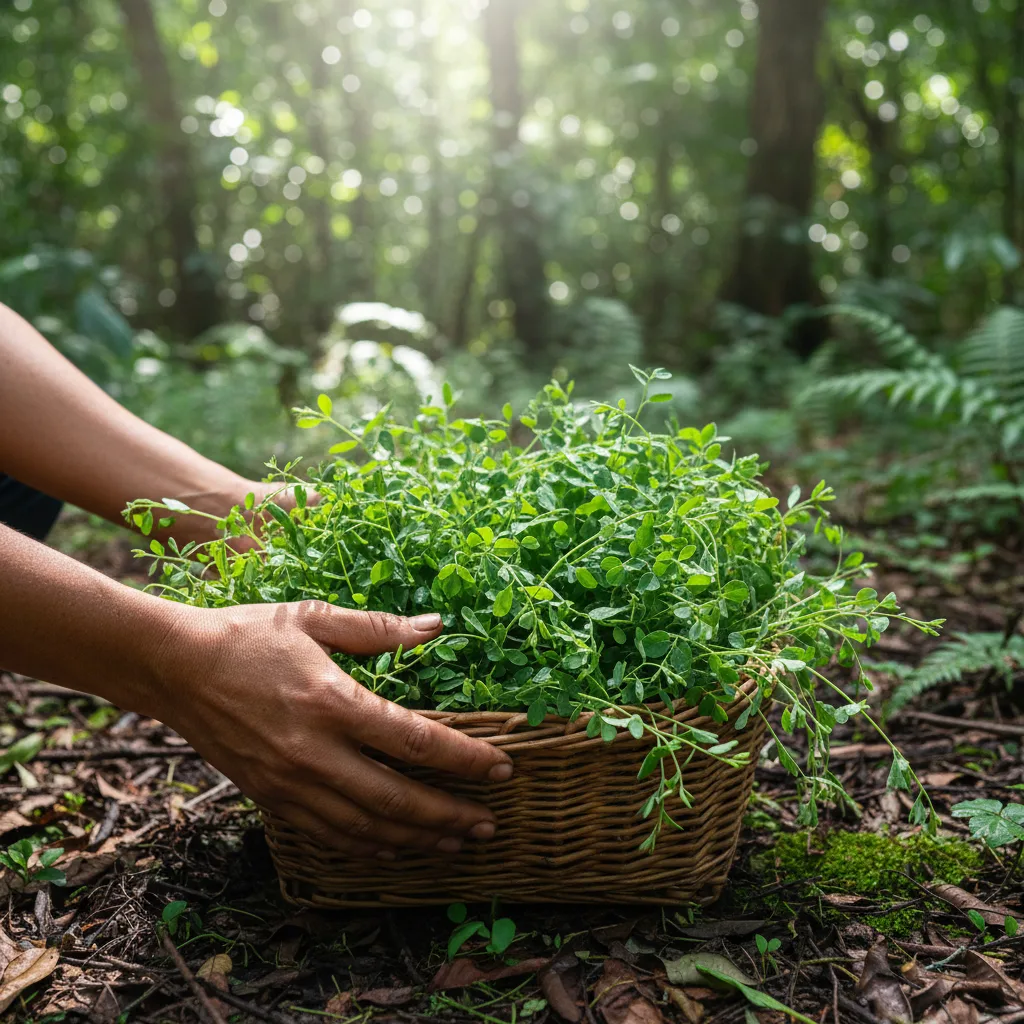
Chanca piedra, known scientifically as Phyllanthus niruri, flourishes in tropical and subtropical regions around the world. Traditionally appreciated in South America, India, and Southeast Asia, this small leafy plant is commonly found in humid forest undergrowth and riverbanks. The distinct environments of these regions provide the right balance of moisture, warmth, and soil type necessary for chanca piedra’s growth cycle.
- South America: Particularly abundant in Amazonian countries like Brazil and Peru, where indigenous knowledge and local stewardship have long valued its presence in community health practices.
- India and Southeast Asia: Thriving in monsoon-influenced environments, here the herb is part of a broader spectrum of plant traditions.
- Caribbean: Some islands also nurture smaller populations, often integrated into local herbal customs.
This global distribution offers unique opportunities—and challenges—for both wild harvesting and cultivation. Climate variability, local customs, and regional demand all play a role in how chanca piedra is sourced and handled.
Wild-Harvested vs. Cultivated Chanca Piedra: Understanding the Difference
Wild-Harvested Sourcing
"Wild-harvested" refers to chanca piedra collected directly from its natural habitat, without human-managed planting. This form of sourcing is sometimes preferred for perceived botanical authenticity and a connection to traditional gathering methods. However, the rising popularity of chanca piedra has put increasing pressure on wild populations, highlighting the need for strict harvesting limits, seasonal rotation, and community-based oversight to avoid overharvesting.
- Pros:
- Maintains lineage with indigenous traditions
- May result in unique phytochemical profiles due to natural growth conditions
- Cons:
- Risk of ecosystem disruption if not monitored
- Greater traceability challenges (knowing exactly where your herb originated)
- Potential impact on local biodiversity
For those concerned about the preservation of wild plant populations or seeking more traceable, consistent herbal options, cultivated chanca piedra may offer greater peace of mind. Herbal supplements like the Stone Breaker Chanca Piedra - 15X Liquid Extract - Kidney Health are formulated from sources committed to blend effectiveness with responsible harvesting.
Cultivated Sourcing
"Cultivated" chanca piedra is grown on managed farms or smallholdings, often with practices designed to mimic the plant’s original environment. Cultivation allows for more consistent quality management and supports the scaling of responsible, high-integrity supply. Sustainable cultivation can provide a reliable supply chain, with controls over soil conservation, water use, and fair labor practices.
- Pros:
- Mitigates pressure on wild populations
- Consistent harvesting cycles
- Easier standardization and certification
- Cons:
- Requires sustainable land use planning
- Need to avoid monoculture and artificial additives
- Still dependent on ethical oversight
Alongside chanca piedra, other botanicals benefit from cultivated, traceable methods, such as the Papaya Leaf Extract - - Organic 16oz 15X Liquid Extract designed to support wellness with minimal environmental impact.
Ethical Harvesting Practices: What Should You Look For?
Ethical harvesting centers on respect for people, plants, and place. It includes more than just how chanca piedra is picked—it involves careful consideration of:
- Harvest Timing: Gathering only at specific plant maturity stages or seasons to allow regeneration
- Quantity Control: Limiting the proportion of plants collected from any given area
- Minimizing Environmental Impact: Avoiding heavy machinery and protecting non-target species
- Community Engagement: Partnering with local populations for knowledge sharing and fair compensation
- Transparency: Documenting steps from harvest to processing for better traceability
Ethical sourcing prioritizes the long-term well-being of both the environment and the communities involved in chanca piedra collection. Herbal blends that adhere to such standards, like the Bulk Herbs & Roots - Organic 4oz Bags - Herbal Tea, underscore a broader movement towards holistic, responsible plant use.
Attention to these factors helps encourage a supply chain that is both socially responsible and environmentally sound.

Sustainability Concerns in the Chanca Piedra Trade
The Importance of Conservation
Chanca piedra’s popularity has increased dramatically in recent years, raising concerns about unsustainable wild harvesting. Without oversight, excessive removal from native habitats can reduce natural populations and affect forest dynamics. That’s why some regions have started implementing conservation programs—such as seasonal harvesting bans or habitat restoration—to maintain balance over time.
Balancing Demand and Preservation
Sustainable trade requires:
- Careful Population Assessment: Knowing how much exists before harvest
- Rotation Systems: Moving harvest locations to prevent depletion
- Support for Regrowth: Leaving certain plant populations untouched
- Education and Advocacy: Engaging both consumers and harvesters in responsible use
The Role of Certifications and Traceability
Third-party certifications and transparent supply chains help assure that herbal products, including chanca piedra, are grown, harvested, and traded responsibly. Examples include:
- Organic Certification: Indicates that no synthetic fertilizers or pesticides are used, and land use is managed for sustainability
- Fair Trade and Equitable Sourcing: Focuses on fair compensation and good working conditions for harvesters, often with investments in community projects
- Traceability Systems: Enable buyers to track the origin and journey of chanca piedra from field to finished product. This helps reduce fraud, supports environmental monitoring, and fosters consumer trust. Such systems often rely on batch codes, supplier documentation, and sometimes digital tracking tools.
One way to support trustworthy sourcing is to select herbal supplements that display such third-party credentials. Products such as Stone Breaker Chanca Piedra - Capsules 10X Extract 60/600mg - Kidney Health highlight commitment to transparency and product integrity.
Researching Responsible Chanca Piedra Suppliers
Identifying a supplier committed to sustainability and ethics often requires careful research. Here are steps for making informed choices:
- Review Supply Chain Transparency: Does the supplier share their sourcing regions, harvest methods, and grower partnerships?
- Check for Certifications: Look for recognized third-party certifications specific to organic, fair trade, or sustainable harvesting.
- Understand Batch Traceability: Can the supplier demonstrate “seed-to-shelf” tracking, including harvest sites, transportation, and processing details?
- Ask About Harvest Practices: How does the supplier ensure that plant populations are not over-collected, and that harvesting supports environmental and social goals?
- Evaluate Community Involvement: Are local harvesters and growers supported through direct partnerships, fair pay, and respect for traditional knowledge?
These considerations go beyond marketing claims and foster a more complete picture of whether the chanca piedra you choose truly supports ethical and sustainable principles. For instance, when choosing a broad-spectrum herbal blend like Bulk Loose Leaf Teas & Tisanes - Organic 4oz - Herbal Wellness Teas, ensure the supplier emphasizes certification and sustainability.
Including Chanca Piedra Responsibly in Your Plant-Based Routine
When incorporating chanca piedra into your herbal routine, quality and responsibility go hand-in-hand. Here’s how to make the most mindful choices:
- Choose Certified Sources: Opt for suppliers with clear ethical and environmental commitments
- Prefer Traceable and Transparent Products: Select products with identifiable sourcing information
- Use Appropriately: Follow traditional or widely accepted use patterns, respecting the plant’s natural supply and role in ecosystem health
- Stay Informed: Educate yourself on the sourcing practices of your preferred suppliers and their impact on the people and environments involved
If you’re interested in integrating ethically-sourced botanicals into daily wellness, consider Soursop Leaf Graviola Extract - - Organic 15X Liquid Extract - Cell Renew & Immunity, which showcases dedication to sustainable and responsible herbal processing.

Recognizing Responsible Brands and Suppliers
Brands like Herbal Goodness emphasize traceability, ethical partnerships, and a focus on quality sourcing for botanicals such as chanca piedra. Key characteristics to look for in responsible brands include:
- Detailed information on the origin of their raw materials
- Investments in environmental restoration or community development
- Transparent, third-party certifications
- Ongoing education for customers about the importance of ethical herbal sourcing
When you choose products verified for ethical sourcing, such as the Stone Breaker Chanca Piedra - 15X Liquid Extract - Kidney Health, you are voting for a healthier planet and supporting responsible global herbal trade.
Conclusion: Empowering Informed Choices
Learning about chanca piedra sourcing, and understanding the difference between wild-harvested and cultivated herbs, empowers you as a mindful consumer. By prioritizing ethical harvesting practices and supplier transparency, you contribute to the preservation of valuable natural resources and fair trade for local communities. With careful attention to certifications, traceability, and sustainable options, you can confidently include chanca piedra in your plant-based wellness journey.
FAQs:
- What are the main regions where chanca piedra is sourced?
Chanca piedra is primarily sourced from tropical regions such as the Amazon Basin in South America, India, and Southeast Asia. Each location offers unique ecological conditions that influence how the plant is grown and harvested.
- How can I tell if chanca piedra is ethically harvested?
Look for clear information on harvest timing, methods, and community involvement. Certifications related to organic, fair trade, or sustainable sourcing add assurance, along with transparent documentation from reputable suppliers.
- What does traceability mean in herbal sourcing?
Traceability refers to the ability to track the journey of chanca piedra from the harvesting site through processing and packaging, ensuring the product’s origin and integrity are verifiable at every stage.
- Are wild-harvested or cultivated chanca piedra options better?
Each has its benefits. Wild-harvested offers traditional lineage but can challenge sustainability if not carefully managed. Cultivated chanca piedra supports environmental controls and reliable supply, especially when produced with sustainable and ethical practices.
- Why do certifications matter when choosing chanca piedra products?
Certifications, such as organic or fair trade, independently verify that specific standards for environmental care and fair labor are met. This offers consumers extra confidence in the sourcing and integrity of their herbal products.
- How does responsible sourcing benefit local communities?
Responsible sourcing can provide fair compensation, support local economic development, and keep traditional knowledge alive by involving communities directly in sustainable harvesting and cultivation approaches.
Author Name:
Herbal Goodness Editorial Team
Author Bio:
The Herbal Goodness Editorial Team specializes in holistic health and superfoods, blending science and nature to educate and empower our community.
References:
Ethical Wildcrafting of Medicinal Plants – United Plant Savers
Botanical Ingredient Sourcing and Supply – American Botanical Council