





Can’t Find Hibiscus Tea Locally? How to Ask Shops to Stock It (Sourcing Tips)

If you’ve ever paced the tea aisle in search of hibiscus tea—maybe hoping for that tart, refreshing burst only hibiscus petals deliver—only to come up empty-handed, you’re not alone. Many passionate tea drinkers find themselves asking, “Where can I buy hibiscus tea near me?” When that familiar bright-red box or pouch is missing from local shelves, the search can feel frustrating. But this challenge is actually an opportunity to become an advocate for your favorite brew and to encourage local shops to stock the varieties and quality of hibiscus tea you want. In this guide, you’ll learn practical scripts, specific questions, and community-driven methods to help your local markets, tea shops, and co-ops bring hibiscus tea closer to home.
Understanding Why Hibiscus Tea Might Not Be Readily Available
Before jumping in with requests, it helps to know why hibiscus tea can be harder to find in some stores. Retailers only dedicate shelf space to items they know will sell. If they’re unaware that customers are interested in premium hibiscus tea, organic varieties, or different product formats (like loose-leaf or bagged), they may not think to stock it.
Additionally, some shops may only offer standard black and green teas unless requested. By communicating your specific interest—alongside details like organic or bulk availability—you help these stores understand demand and cater to genuine customer preferences.
What to Request: Key Features When Sourcing Hibiscus Tea Locally
When you approach a local grocer, tea shop, or farmer’s market about hibiscus tea, being specific increases your chances of success. Here are important details and purchase intent keywords to include in your request:
1. Specify the Product Format:
- Loose dried hibiscus: Many tea enthusiasts prefer loose hibiscus petals for brewing flexibility.
- Bagged hibiscus tea: For convenience, single-serve tea bags are popular.
- Cut and sifted (C/S): This refers to hibiscus petals cut for ease of brewing, ideal for both loose and bagged presentations.
2. Request Organic or Premium Quality:
- Ask if they can carry "organic hibiscus tea" or "best quality hibiscus flowers."
- If you seek transparency in sourcing, mention "certified organic," "non-GMO," or "wildcrafted" for added assurance.
3. Size or Quantity Options:
- Some venues can stock both small retail packages for individual buyers and bulk options (great for groups or daily consumption).
- If you want to order for events or blends, ask about 1 lb or larger bulk bags.
4. Labeling and Sourcing Clarity:
- Clarity on country of origin, harvest method, and purity (100% hibiscus) is increasingly valued by informed consumers.
Simple Scripts: How to Ask Store Managers and Vendors
Facing the grocery manager or talking to a vendor might feel intimidating. To make it easier, use these straightforward scripts—feel free to adapt them for in-person conversations, emails, or online message forms:
Script 1: Grocery Store or Market Email/Message
Subject: Product Request – Hibiscus Tea
Hi [Manager’s Name],
I am a frequent shopper and wanted to ask if it’s possible to add organic hibiscus tea to your offerings. I’m especially interested in loose-leaf and bagged formats, ideally certified organic or best quality options. Is this something you might be able to order or stock soon? Thank you for considering!
Best, [Your Name]
Script 2: In-Person at Tea Shop or Farmers' Market
Hi there! I’m looking for premium hibiscus tea—either loose or bagged, and ideally organic. Would you be able to carry it, or do you know if it’s something you could order for customers?
Script 3: Phone Request for Bulk or Special Orders
Hello, I’m interested in ordering organic hibiscus flowers in bulk for my household. Do you offer this, or could you bring it in if there’s enough demand? Are there minimum quantities required?
Quick Tip: Always be friendly and patient—managers may need to relay your request to buyers or suppliers, so clear details help.
What Should You Look for When Hibiscus Tea Is Available?
Once your request is successful—or if you’re comparing options in nearby shops—knowing what differentiates high-quality hibiscus tea is key to making an informed purchase:
- Color: Vibrant, deep red petals indicate freshness.
- Aroma: A subtly fruity or tart scent is a good sign.
- Label Terms: Look for terms like "organic," "non-GMO," "single-origin," or "wild harvested."
- Packaging: Airtight, opaque containers or sealed tea bags preserve quality.
- Transparency: Brands like Herbal Tea Trio Bundle may mention sustainable sourcing or third-party testing right on the label.
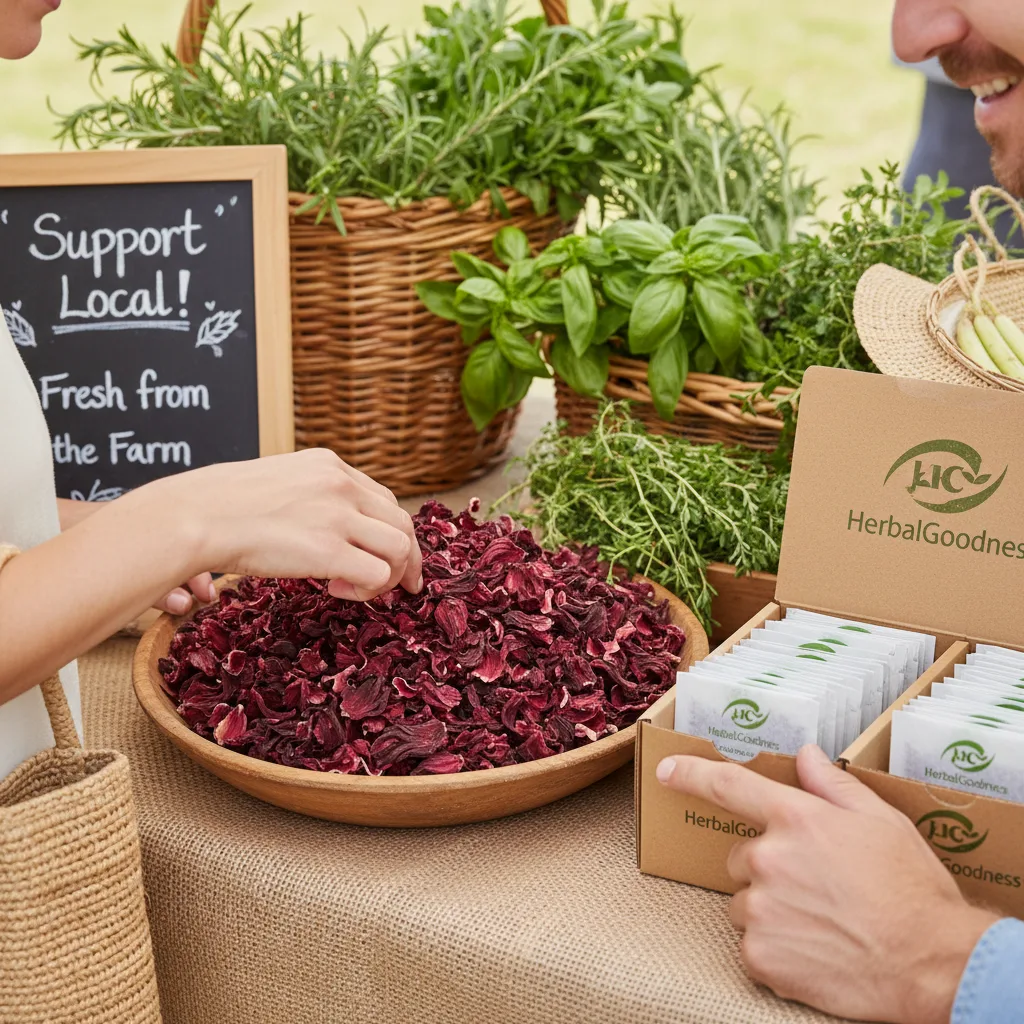
Community Sourcing: Boosting Local Hibiscus Tea Availability
If single requests haven’t worked, consider harnessing community power to show shops there’s bigger demand for hibiscus tea.
Start or Join a Community Bulk Order
- Team up with neighbors, colleagues, or local social media groups and agree to pool orders, which can motivate stores to bring in larger stock. Choosing bulk loose leaf teas lets everyone sample and share, increasing accessibility and reducing cost per person.
- Often, co-ops or health food stores respond positively to group interest, since it reduces their risk.
Suggest a Specialty Tea Event or Tasting
- Ask shops if they’d consider a “tea tasting day” featuring hibiscus, or if they could educate shoppers about this unique herbal tea.
- This raises awareness for less familiar products—and demonstrates active interest in diverse teas.
Coordinate With Local Herbalists or Wellness Stores
- Sometimes, independent health stores and herbal practitioners have sourcing networks that can bring new teas into the community.
- Connect with local wellness enthusiasts to amplify demand.
Leverage Farmers’ Markets or Specialty Vendors
- Approach farmers’ market stands (especially those with dried herbs or spices) to see if they can source or display hibiscus tea. Some vendors that focus on bulk herbs & roots can diversify options for the whole community.
- Many are open to adapting their inventory based on customer requests.

What If Hibiscus Tea Is Still Unavailable?
Persistence and positive follow-ups can make a difference, but sometimes local barriers remain. Here are a few respectful ways to stay proactive:
- Ask for Recommendations: Inquire if managers know of other local stores or co-ops stocking hibiscus tea.
- Suggest Special Orders: Many natural grocers and specialty markets allow ordering small cases or bags for pickup.
- Stay Active in Community Groups: The more often customers bring up hibiscus tea, the more likely it will appear on shelves in the future. Meanwhile, consider variety packs such as the Organic Herbal Tea Trio for diverse herbal options.
The Power of Feedback and Gratitude
Whenever a shop brings in hibiscus tea at your request, let them know you appreciate it! Positive feedback increases the likelihood of consistent stocking—and it encourages stores to experiment with new herbal and organic teas for their customers.

Tips for Sustainable, High-Quality Hibiscus Tea Shopping
- Prioritize freshness by requesting recent harvests when possible.
- Support local and ethical sourcing by asking about farm partnerships or trade practices. Seeking suppliers that align with these principles, such as those who carry bulk herbs & roots online, can broaden your options.
- Experiment with different formats—try loose, bagged, or cut-and-sifted styles to discover your serving preferences.
- Keep an eye out for educational info—some shops share brewing tips or recipes for hibiscus tea infusions, which can deepen your appreciation.
Bringing Hibiscus Tea to Your Community: A Collaborative Approach
Every time you advocate for hibiscus tea, you support not just your own enjoyment but the local ecosystem of herbal wellness. Whether you’re shopping for organic hibiscus tea to enjoy at home or teaming up with neighbors for a bulk order, each small action helps make this vibrant drink more accessible to all.
Ultimately, turning the question "where to buy hibiscus tea near me" into a collaborative effort is rewarding and empowering—building stronger, more responsive community ties with every conversation.
FAQs:
- How do I ask my local store to stock hibiscus tea?
Politely approach the manager and make a clear request. Use straightforward scripts, specifying if you want organic, loose, bagged, or bulk hibiscus tea. Offer details like format, quality, and origin. Positive follow-up and expressions of gratitude can further encourage them to add it.
- What format of hibiscus tea should I request in stores for the best quality?
Requesting both loose dried hibiscus petals and organic bagged tea gives you flexibility. Look for terms like 'cut and sifted,' 'certified organic,' and 'premium quality.' These indicate attention to freshness and sourcing standards.
- Can I organize a group or community order for hibiscus tea?
Yes, group or bulk orders—especially through co-ops or community collectives—are a great way to encourage stores to stock hibiscus tea. Pooling demand reduces risk for retailers and lets everyone get the best price and selection.
- What label terms indicate high-quality or organic hibiscus tea?
Look for labels with 'organic,' 'non-GMO,' 'wildcrafted,' 'single-origin,' or '100% hibiscus.' Sealed, airtight packaging, recent harvest dates, and transparent sourcing are additional signs of premium quality.
- Where else can I buy hibiscus tea if shops don’t have it in stock?
Consider natural food stores, farmer’s markets, local co-ops, wellness shops, or group ordering with neighbors. Some stores allow special orders if you request a minimum quantity.
- Is it better to buy hibiscus tea loose or in bags?
It depends on your preference. Loose hibiscus provides more control over strength and blends, while bagged tea offers convenience. Both can be high quality; focus on sourcing, freshness, and organic certification.
- How can community action help local shops offer hibiscus tea?
When multiple customers request hibiscus tea, or neighbors organize for bulk purchases, retailers are more likely to stock it consistently. Community sourcing signals real demand and benefits everyone seeking herbal teas locally.
Author Name:
Herbal Goodness Editorial Team
Author Bio:
The Herbal Goodness Editorial Team specializes in holistic health and superfoods, blending science and nature to educate and empower our community.
References:
Introducing Graviola to Young Taste Buds: Fun, Family-Friendly Flavor Exploration
Share this
Popular posts


FAQs
1. What are the main benefits of drinking bamboo leaf tea?
Drinking bamboo leaf tea supports hydration, relaxation, skin wellness, and antioxidant balance.
2. What is bamboo leaf extract used for?
It’s used for general body wellness, skin elasticity, hair and nail support, and overall vitality.
3. Can bamboo leaf help with skin care and body wellness?
Yes, bamboo leaf is rich in silica and antioxidants, which promote healthy skin, strong nails, and a youthful glow.
4. What forms of bamboo leaf are available?
You can find dried bamboo leaf, powder, extract, drops, oil, and bamboo leaf green tea.
5. Are there any side effects of bamboo leaf?
Bamboo leaf is generally safe when consumed in moderation. Always consult your healthcare provider before starting any new herbal supplement.