





A Practical Guide to Reading Sea Moss Gel Labels: Ingredients, Processing, and Certifications

When exploring the world of sea moss gel, reading and understanding product labels is essential for making confident, informed decisions. The range of choices can feel overwhelming, with labels displaying a variety of ingredient lists, processing terms, and certifications. By learning what these details mean, you’ll be better equipped to select a product that aligns with your values and preferences, ensuring a quality experience with every purchase. This comprehensive guide walks you through the key points to look for when reading sea moss gel labels, from common ingredients and additives to meaningful processing terms and reputable certifications.
Essential Ingredients in Sea Moss Gel
One of the first things to check on any sea moss gel label is the ingredients list. Not only does this reveal the basic composition of the product, but it also offers clues about its purity, quality, and intention.
Core Ingredients
- Sea Moss (Chondrus crispus, Gracilaria, or Eucheuma cottonii): The primary component. The scientific name is often listed to identify the specific variety.
- Pure Water: Used to hydrate and blend the sea moss for a gel-like texture.
If you want to investigate the source of your sea moss, take note of whether the label references authentic Sea Moss - Raw Dried from St Lucia - 8oz Bag - Nature's MultiVitamins. St. Lucia is a renowned region for high quality wild-harvested sea moss, valued for its nutrient profile.
Supporting Ingredients
There are optional components that manufacturers may include for flavor, preservation, or texture:
- Fruit or vegetable extracts (e.g., pineapple, mango, elderberry): Added for subtle flavor and color.
- Natural thickeners (e.g., agar-agar): Employed in some brands to maintain consistency.
- Preservatives (e.g., citric acid, ascorbic acid): Added to extend shelf life, especially for products sold outside refrigeration.
- Sweeteners (e.g., agave syrup, honey): Occasionally found in flavored varieties; check for this if you want a neutral gel.
What to Consider
- A minimalist label featuring just sea moss and water indicates a simple formulation.
- Pay attention to sweeteners or flavors if aiming for an unflavored product.
- Choose gels with familiar, pronounceable ingredients for transparency.
If you’re seeking the easiest way to enjoy sea moss without added flavors, Sea Moss Gel 16 oz – Nutrient-Rich Superfood for Everyday Wellness frequently features a pared-down ingredient list for optimal transparency.
Additives and Their Purpose
Some sea moss gels contain additives to enhance usability or shelf stability. While not all additives are concerning or artificial, it’s wise to understand their purpose.
Types of Additives Found
- Natural Acids: Such as lemon juice or lime juice, sometimes used as natural preservatives.
- Anti-caking Agents: Rare but may appear in powdered sea moss.
- Flavor Enhancers: Spices or essential oils for aromatic blends.
Recognizing Clean Labels
- Look for labels with clearly identified natural ingredients.
- Avoid unnecessary fillers or chemicals, especially those you do not recognize.
- Simpler is often better, especially if you prize purity or are new to sea moss gel.
If powder or shelf-stable options appeal to you, consider exploring Sea Moss - Raw Dried from St Lucia - 8oz Bag - Nature's MultiVitamins. Its dried form offers flexibility and transparency regarding processing and storage.
Deciphering Processing Terms on Sea Moss Gel Labels
Processing claims can hold significant weight but are sometimes misunderstood. Here are the common terms you’ll find and what they typically mean.
Raw
- Indicates minimal processing, usually referring to low or no heat applied during preparation.
- Maintains more of the natural characteristics of sea moss, though shelf life may be shorter.
Wild-Harvested
- Refers to sea moss collected directly from its natural environment, such as ocean rocks or tidal areas.
- Often seen as more traditional or sustainable.
- May be perceived as higher quality than pool-grown counterparts due to ecological conditions.
Organic
- Signifies adherence to organic farming or harvesting methods.
- Implies no synthetic pesticides or herbicides were used during cultivation or collection.
- Authenticity may depend on third-party certification (see below).
Pool-Grown vs. Ocean-Grown
- Pool-Grown: Raised in controlled aquatic environments. The water quality and nutrition can vary.
- Ocean-Grown: Cultivated in the sea, typically under natural sunlight and wave action, often yielding a more complex mineral profile.
- Some packaging may use the term "wildcrafted" for sea moss grown and harvested in natural marine environments.
Powdered vs. Fresh
- Powdered: Sea moss is dried and processed into a powder before being rehydrated to make the gel. Offers shelf stability and ease of transport but may have a different texture.
- Fresh: Made from raw, hydrated sea moss, with a consistency closer to its natural state. Generally, fresher taste and texture are favored by many consumers, but shelf life may be shorter.
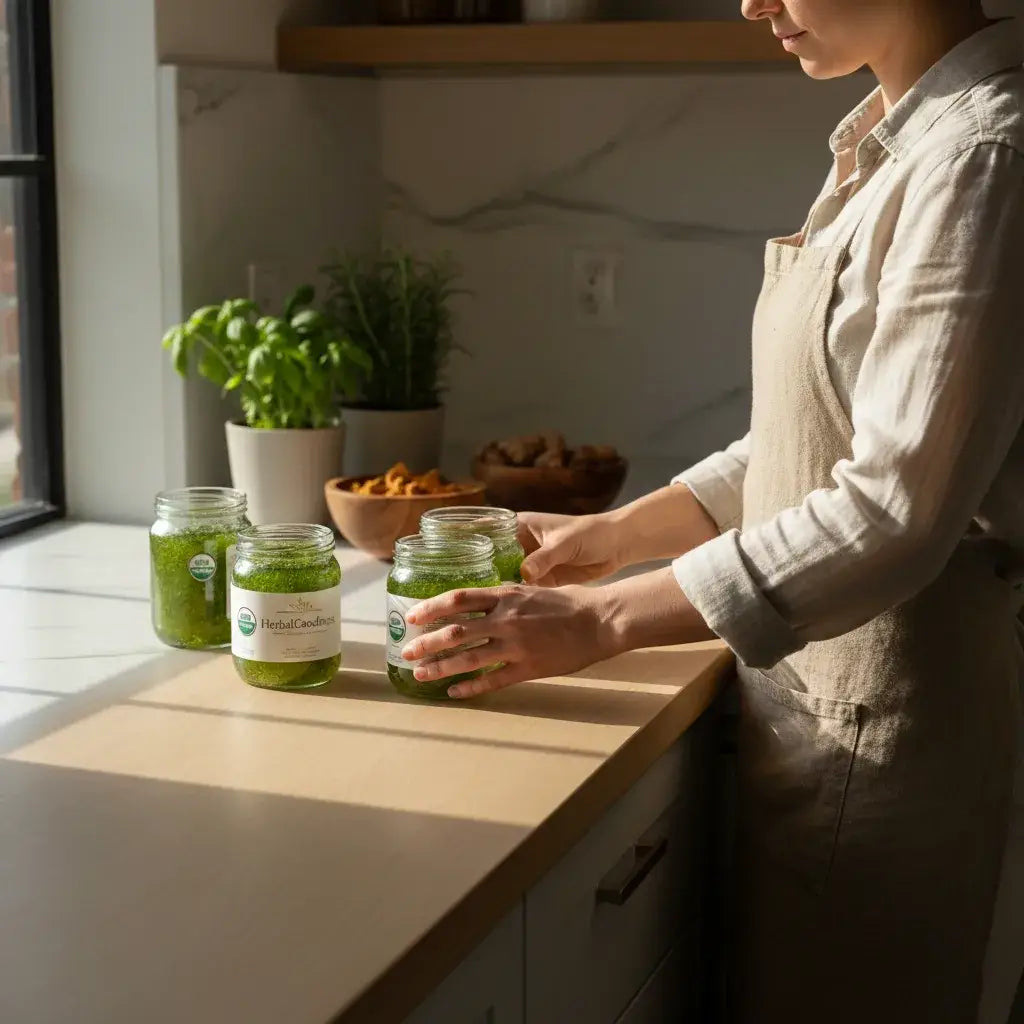
Navigating Sea Moss Certifications and Quality Claims
Certifications on a sea moss gel label can help you gauge the safety, ethics, and sourcing standards behind the product. Here’s a breakdown of the most common designations.
USDA Organic
- Confirms that the product meets U.S. Department of Agriculture standards for organic practices.
- Bans the use of genetically modified organisms (GMOs) and most synthetic additives.
Looking for the USDA Organic mark or a clear Non-GMO stamp can indicate a higher grade of product purity. Certified gels offer documented assurance regarding the cultivation and handling process.
Non-GMO
- Indicates the sea moss and any included ingredients are not genetically modified.
Fair Trade
- Reflects that ethical labor and fair compensation are priorities throughout harvest and production.
- Often involves environmental sustainability commitments as well.
Vegan & Allergen-Free
- Signals absence of animal-derived ingredients and key allergens, catering to particular dietary preferences.
Other Sourcing Notes
- Traceability: Brands may highlight specific source locations, such as "harvested off the coast of Jamaica.”
- Sustainably Harvested: Calls attention to environmentally conscious collection practices, though standards may vary.
Evaluating Transparency and Brand Integrity
A reputable sea moss gel brand will prioritize transparency, both on the label and through readily available sourcing information.
What to Look For
- Clear, accurate ingredient lists with no hidden additives
- Visible certifications from recognizable organizations
- A batch or lot number for traceability
- Clear indications of sourcing region or cultivation method
Red Flags to Recognize
- Vague origin descriptions such as just “sea moss gel” without specifying species or location
- Ambiguous terms like “natural” or “artisanal” with no clarification
- An ingredients list that’s long or includes hard-to-pronounce synthetic additives

Clarity and certification are often reflected on Sea Moss Gel 16 oz – Nutrient-Rich Superfood for Everyday Wellness packaging, where batch numbers and sourcing details are well defined. This can be helpful for anyone looking for true transparency and product integrity.
Storage Information and Shelf Life
Labels should also state how to store the product and the recommended period for maintaining optimal quality.
- Refrigerated Sea Moss Gel: Often labeled ‘keep refrigerated,’ with a use-by or best-by date.
- Shelf-Stable Options: Can be stored at room temperature before opening but may require refrigeration after.
- Powdered Gels: Have a longer shelf life; check for a resealable container and clear date markings.
Proper storage protects both the texture and the experience. Look for specific storage suggestions and always follow the brand’s guidance. For those seeking long-term storage, Sea Moss - Raw Dried from St Lucia - 8oz Bag - Nature's MultiVitamins is a versatile choice, allowing you to prepare your own gel as needed and retain freshness over time.
Comparing Flavored and Unflavored Varieties
Many sea moss gel offerings are now available in both unflavored and flavored formats. Each appeals to different tastes and purposes.
Flavored Sea Moss Gels
- May include various fruit extracts, spices, or natural flavors
- Label should list all flavoring agents used
- Be mindful of added sweeteners if you are seeking a neutral product
If you want a sea moss gel to blend seamlessly into meals without sweeteners or flavors, select an unflavored Sea Moss Gel 16 oz – Nutrient-Rich Superfood for Everyday Wellness for maximum versatility and purity.
Unflavored Sea Moss Gels
- Typically contain only sea moss and pure water
- Preferred by those who want to mix it into different foods and beverages without altering overall taste
Tips for Making an Empowered Purchase Decision
- Review the Label Closely: Note any unfamiliar ingredients and research them if necessary.
- Check for Certifications: When quality and certain values matter, look for reputable seals like USDA Organic or Non-GMO.
- Assess Sourcing and Processing: Opt for wild-harvested or ocean-grown if you value these attributes.
- Evaluate Packaging: Look for BPA-free and eco-friendly packaging, if sustainability is important to you.
- Contact the Brand: If the label information isn’t clear, reach out to the company for further details; a trustworthy brand will respond transparently.
For those who want to create their own blend or experiment with flavors, purchasing Sea Moss - Raw Dried from St Lucia - 8oz Bag - Nature's MultiVitamins gives you the foundation to control all aspects of preparation and ingredient addition.
By learning how to interpret sea moss gel labels, you gain the confidence to purchase products that match your standards. Always remember, a clear and informative label demonstrates honest practices and respect for the consumer.
FAQs:
- What key ingredients should I expect to see on a sea moss gel label?
A high-quality sea moss gel label typically lists sea moss (often with the specific variety), pure water, and sometimes natural additives like fruit extracts or citrus juice. Minimal, clearly-identified ingredients are a sign of transparency.
- What does 'wild-harvested' mean on sea moss gel packaging?
‘Wild-harvested’ indicates that sea moss was gathered from its native ocean environment instead of being farmed or grown in artificial pools. This term is valued for its implication of natural growing conditions.
- Are there differences between powdered and fresh sea moss gel?
Yes. Powdered sea moss gel starts as dried and powdered sea moss, later rehydrated into a gel, offering long shelf life and easy transport. Fresh varieties are made from hydrated raw sea moss, typically with a distinct texture and fresher flavor.
- What types of certifications should I look for on a sea moss gel label?
Look for certifications such as USDA Organic, Non-GMO, Fair Trade, Vegan, or allergen-free, depending on your values and needs. These signify adherence to specific sourcing or production standards.
- How can I tell if a sea moss gel brand is reputable based on its label?
Brands with clear ingredient lists, specific sourcing information, recognizable certifications, and transparent batch or origin details generally have a higher integrity and commitment to quality.
Author Name:
Herbal Goodness Editorial Team
Author Bio:
The Herbal Goodness Editorial Team specializes in holistic health and superfoods, blending science and nature to educate and empower our community.
References:
Introducing Graviola to Young Taste Buds: Fun, Family-Friendly Flavor Exploration
Graviola in the Classroom and at Home: Creative Activities to Teach Kids About Tropical Plants