





10 Powerful Herbs and Spices to Explore: Flavor, Tradition & How to Use Them

Herbs and spices have delighted the senses and enriched kitchen traditions around the world for thousands of years. With their diverse aromas, vivid colors, and robust flavors, these botanical treasures are central to countless recipes and cultural customs. Exploring a selection of time-honored herbs and spices is a joyful way to engage with global culinary heritage, experiment with new tastes, and bring fresh excitement to daily meals. In this guide, you'll discover ten celebrated herbs and spices, from earthy turmeric to vibrant rosemary, and learn about their unique flavor chemistry, traditions, practical preparation methods, sourcing and storage essentials, and fun, approachable ways for beginners to use them at home.
The Role of Herbs and Spices in Culinary Heritage
Herbs and spices are far more than just flavor enhancers. Across continents and centuries, they've played important parts in rituals, feasts, preservation techniques, and even trade and exploration. From the golden-hued turmeric of India to the warming cinnamon of the Middle East, each has a story that adds meaning and personality to your dish. Understanding their flavor profiles, uses, and history can turn any meal into a small cultural celebration.
1. Turmeric: The Golden Wonder
Distinctive Flavor and Chemistry
Turmeric stands out with its vibrant golden color and warm, earthy taste. The primary compound responsible for its color is curcumin, which is also responsible for its distinct flavor—a slightly peppery bite with subtle bitterness.
Culinary Traditions
Turmeric is a staple in Indian, Southeast Asian, and Middle Eastern cuisines. It's celebrated as a key component in curries, rice dishes, and as a natural food coloring. Experimenting with different turmeric-based dishes can help diversify your spice repertoire and allow you to appreciate the subtle nuances between fresh and powdered forms.
Practical Uses at Home
- As a powder: Add ½ teaspoon to stews, soups, or rice.
- As a tea: Simmer ¼ teaspoon of turmeric powder with water, a twist of black pepper, and a touch of honey.
- In golden milk: Stir ½ teaspoon into warm non-dairy milk with cinnamon and ginger. For more herbal beverage inspiration, Soursop Leaf Tea Graviola Leaves offers a unique flavor experience and can be part of your routine for variety.
Sourcing and Storage
Choose organic turmeric powder or fresh roots. Store in an airtight container in a cool, dry spot away from sunlight. You may also explore storing bulk herbs & roots for longer-lasting flavor and freshness, as these often preserve potency better than pre-ground spices.
2. Ginger: Pungent and Bright
Flavor Profile
Ginger is celebrated for its piquant, zesty kick—both spicy and slightly sweet. Its aroma and warmth come from compounds called gingerols. The interplay of ginger with citrus or mint in drinks and sweets can create refreshing new taste sensations, prompting curiosity and creativity in your cooking journey.
Traditional Uses
Ginger is a culinary mainstay in Asian, West African, and Caribbean kitchens. Candied, dried, fresh, or pickled, it brightens all sorts of recipes—from stir-fries to baked goods. Integrating ginger into infusions is especially delightful—try it alongside bamboo leaf tea or other natural blends for additional wellness benefits.
Ways to Use Ginger
- In teas: Steep two or three thin slices of fresh ginger in hot water.
- Cooking: Grate fresh ginger into marinades, stir-fries, or salad dressings.
- Baking: Add powdered ginger to cookies and muffins.
Storage Suggestions
Keep fresh ginger in the refrigerator, or peel and freeze for later use. Ground ginger should be stored in a sealed container away from heat and light.
3. Cinnamon: Sweet Warmth
Flavor Chemistry
Cinnamon’s inviting aroma and mellow, sweet flavor arise from cinnamaldehyde, its most notable compound. The combination of cinnamon with other warming spices can produce complex, comforting blends and is especially suited to wellness tea blends that highlight both taste and tradition.
Global Traditions
Cinnamon is beloved in both sweet and savory dishes—from Mexican hot chocolate and Moroccan tagines to American cinnamon rolls.
Simple Preparation Ideas
- Breakfast: Sprinkle ground cinnamon over oatmeal or yogurt.
- Beverages: Stir a dash into coffee, chai, or apple cider.
- Cooking: Add a stick to rice or stews for subtle depth. Pairing with Soursop Leaf Tea Graviola Leaves brings out dynamic flavor profiles that delight the adventurous palate.
Sourcing and Care
Opt for Ceylon cinnamon, known for its delicate flavor. Store sticks and ground cinnamon in airtight containers away from moisture. When freshness matters, consider bulk herbs & roots for extended shelf life.
4. Rosemary: Piney and Aromatic
Distinctive Characteristics
Rosemary’s needle-like leaves exude a piney, slightly citrusy fragrance. Its complexity comes from volatile oils, mainly cineole and camphor. Combining rosemary with other Mediterranean herbs in homemade blends is a simple way to infuse dishes with layered, aromatic flavors.
Time-Honored Uses
Rosemary is a Mediterranean favorite, featured in everything from roasted potatoes to focaccia, lamb, and infused oils. It also fits well in herbal tea blends that fuse tradition with everyday enjoyment.
How to Experiment at Home
- Roasting: Add fresh sprigs to vegetables or chicken before roasting.
- Infusion: Steep in olive oil for salad dressings and bread dipping.
- Herbal tea: Steep a teaspoon of dried rosemary in hot water for 5–7 minutes.
Storage Strategies
Wrap fresh sprigs in a damp towel and refrigerate. Store dried leaves in a sealed jar away from direct light.
5. Garlic: Savory Depth
Unique Flavor Profile
Garlic’s sharp, savory punch comes from sulfur compounds released when it’s chopped, crushed, or minced. Roasted garlic offers a milder, sweeter taste, while raw or sautéed forms lend intensity. It can be paired with dishes featuring Papaya Leaf Extract - Organic 1oz 15X Liquid - Blood Platelet to support both flavor and wellness habits.
Culinary Roots
Used worldwide, garlic is essential in Italian, French, Chinese, and Middle Eastern recipes. It’s found in sauces, roasted with vegetables, or mashed into dressings. Adding it early in the cooking process builds complex flavor foundations.
Everyday Use Tips
- Raw: Rub a cut clove on toasted bread for bold flavor.
- Roasted: Roast whole bulbs for a milder, sweeter result.
- Sautéed: Add minced garlic to stir-fries, soups, and sauces in the early stages of cooking.
Storing Garlic
Keep garlic bulbs whole in a cool, dry place, not in the fridge. Peel only what you need to keep it fresh.
6. Paprika: Colorful and Versatile
Flavor Notes
Paprika can range from sweet and mild to smoky and hot. Capsaicin gives it its signature warmth, while carotenoids provide the classic red hue. Versatile for garnishing and seasoning, paprika enlivens both international and everyday recipes. To inspire new uses, try blending it with nutrient-rich superfoods such as Sea Moss - Raw Dried from St Lucia - 8oz Bag - Nature's MultiVitamins.
Culinary History
Originating in Central and Eastern Europe, paprika is key in Hungarian goulash and Spanish paella. It offers both color and nuanced flavor.
Cooking with Paprika
- Sprinkle: Use to garnish deviled eggs, potato salad, or hummus.
- Season: Stir into stews, grilled meats, or roasted vegetables.
- Blend: Mix with salt and other spices for homemade seasoning blends.
Storage Tips
Store in an airtight container in a cool dark pantry. Use smoked or sweet varieties as your palate prefers. For bulk needs or frequent use, bulk herbs & roots provide economical and flavorful options.
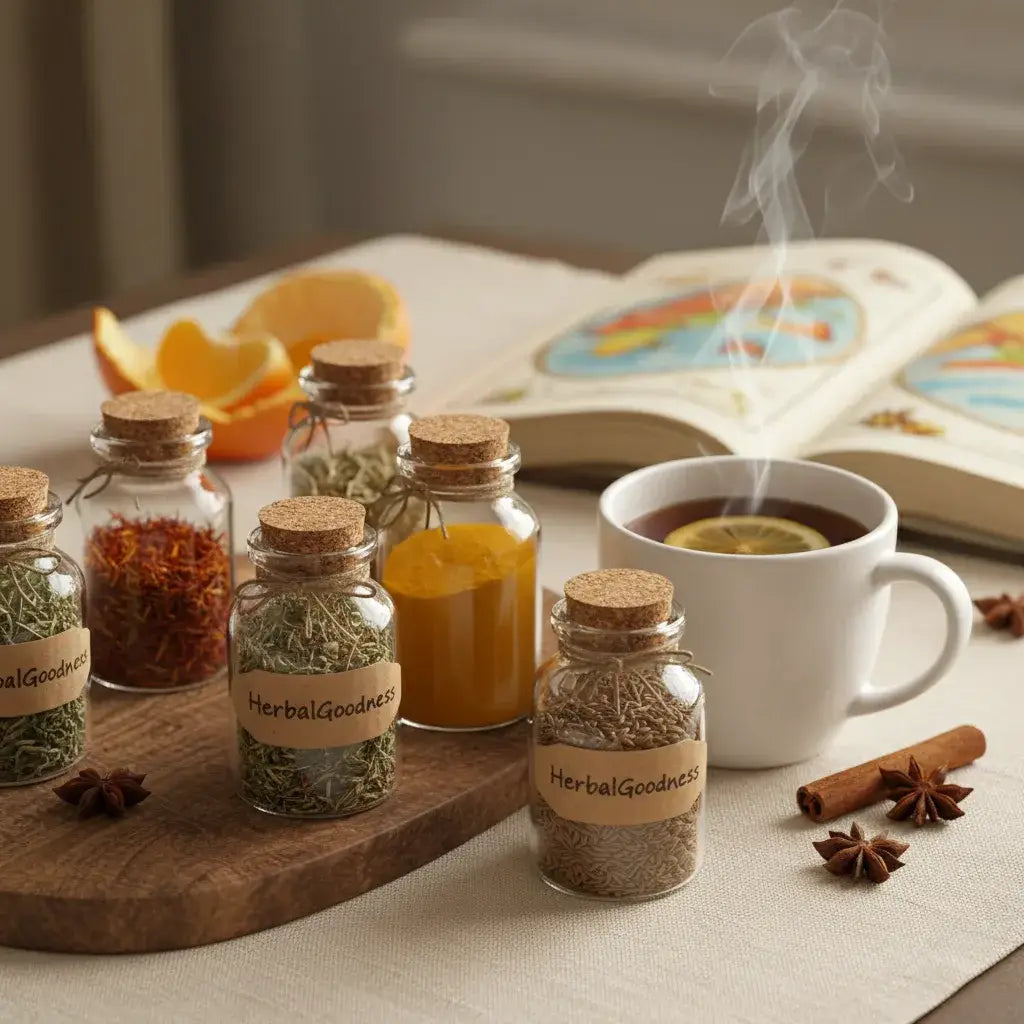
7. Mint: Fresh and Cooling
Sensory Profile
Mint delivers an unmistakable cool sensation with its menthol content, making it both refreshing and aromatic. It is a star ingredient in cooling drinks and energizing teas. For naturally caffeine-free refreshment, try infusing in Bamboo Leaf Tea – 24/1.5g Tea Bags - Nature's Collagen & Biotin.
Culinary and Cultural Role
Mint leaves are vital in Middle Eastern tabbouleh, North African teas, and as a garnish or flavoring in desserts and beverages worldwide.
At-Home Use
- Teas: Steep fresh leaves in boiling water.
- Flavoring: Add chopped mint to salads or fruit bowls.
- Infusion: Mix into yogurt for a quick dip or sauce.
Mint Storage
Refrigerate stems in water like fresh flowers or dry leaves and store in sealed bags. Use soon for maximum freshness.
8. Thyme: Earthy and Elegant
Aromatic Elements
Thyme’s fragrance is due to thymol, lending a woody yet slightly floral undertone. Combining it with rosemary and oregano creates a broader spectrum of flavor, suitable for simple home-made herb blends.
Time-Trusted Traditions
Featured in French, Italian, and Caribbean cuisines, thyme goes well in soups, stocks, breads, and roasted dishes.
Easy Uses for Beginners
- Flavor base: Toss sprigs into soups, stews, and stocks.
- Herb blend: Mix with rosemary and oregano for a classic seasoning.
- Roasting: Sprinkle dried thyme onto potatoes, poultry, or fish.
Storage Guide
Store fresh thyme in the refrigerator wrapped in a paper towel. Dried thyme will keep for months in a sealed container.
9. Black Pepper: Bold Versatility
Flavor Chemistry
The heat and complexity of black pepper come from piperine, delivering pungency and a slight citrusy finish. Freshly ground black pepper holds far more vibrancy and culinary intrigue than pre-ground varieties.
Global Use
Used as a table staple and as a seasoning in cuisines spanning the globe—from Indian masalas to classic French sauces.
Everyday Applications
- Grinding: Use freshly cracked pepper for best flavor on finished dishes.
- Cooking: Add pepper early for gentle heat, or at the end for a punchier note.
- Blends: Make custom spice mixes or rubs for meats and veggies. Teas that combine bold spices, such as papaya leaf tea, are excellent for culinary exploration.
Pepper Storage
Keep whole peppercorns in a grinder or airtight jar, away from humidity and light.
10. Basil: Sweet and Peppery
Flavor Description
Basil is known for its sweet yet subtly peppery taste, with hints of clove and anise. Its aroma is most enjoyable when used fresh, especially in bright and summery recipes.
Cultural Significance
Basil is central in Italian pesto, Thai curries, and summer salads. Its bright flavor pairs beautifully with tomatoes, mozzarella, and olive oil. Adding fresh basil to infusions made with Papaya Leaf Extract - Organic 1oz 15X Liquid - Blood Platelet or other teas can produce refreshing and healthful drinks.
Simple Ways to Use Basil
- Pesto: Blend fresh basil, garlic, pine nuts, and olive oil.
- Salads: Tear leaves onto caprese or garden salads.
- Sauces: Add at the end of cooking for a fresh burst of aroma.
How to Store Basil
Treat basil like cut flowers: keep stems in a glass of water on your counter, or wrap loosely in a damp paper towel and refrigerate for a few days.
Sourcing, Selection, and Storage: Getting the Most Flavor
Sourcing herbs and spices from reputable suppliers helps ensure their freshness and sensory quality. Always opt for vibrant color, distinct aroma, and whole forms (like whole spices or bunches of herbs) when possible, as these stay fresh longer. To retain potency:
- Store in tightly sealed containers.
- Avoid direct sunlight, moisture, and heat (a pantry or cupboard is ideal).
- Use dried herbs within six months, and spices within a year, for best results.
Exploring Bulk Herbs & Roots - Organic 4oz Bags - Herbal Tea can provide a wider range of options for those frequently using herbs in both culinary and wellness routines.

Experimenting Safely: Beginner Tips
For those new to using bold herbs and spices, start with small quantities and adjust according to your taste preferences. Some guidelines:
- Introduce one herb or spice at a time in simple dishes to appreciate its flavor.
- Try infusions by steeping in hot water for tea, or blending small amounts into salad dressings and marinades. Papaya Leaf Extract - Organic 1oz 15X Liquid - Blood Platelet or Bamboo Leaf Tea – 24/1.5g Tea Bags - Nature's Collagen & Biotin can be a gentle introduction to the world of herbal infusions.
- Gradually increase amounts as flavors become familiar.
- When using dried herbs in place of fresh, remember that dried are more concentrated—use about one-third the amount.
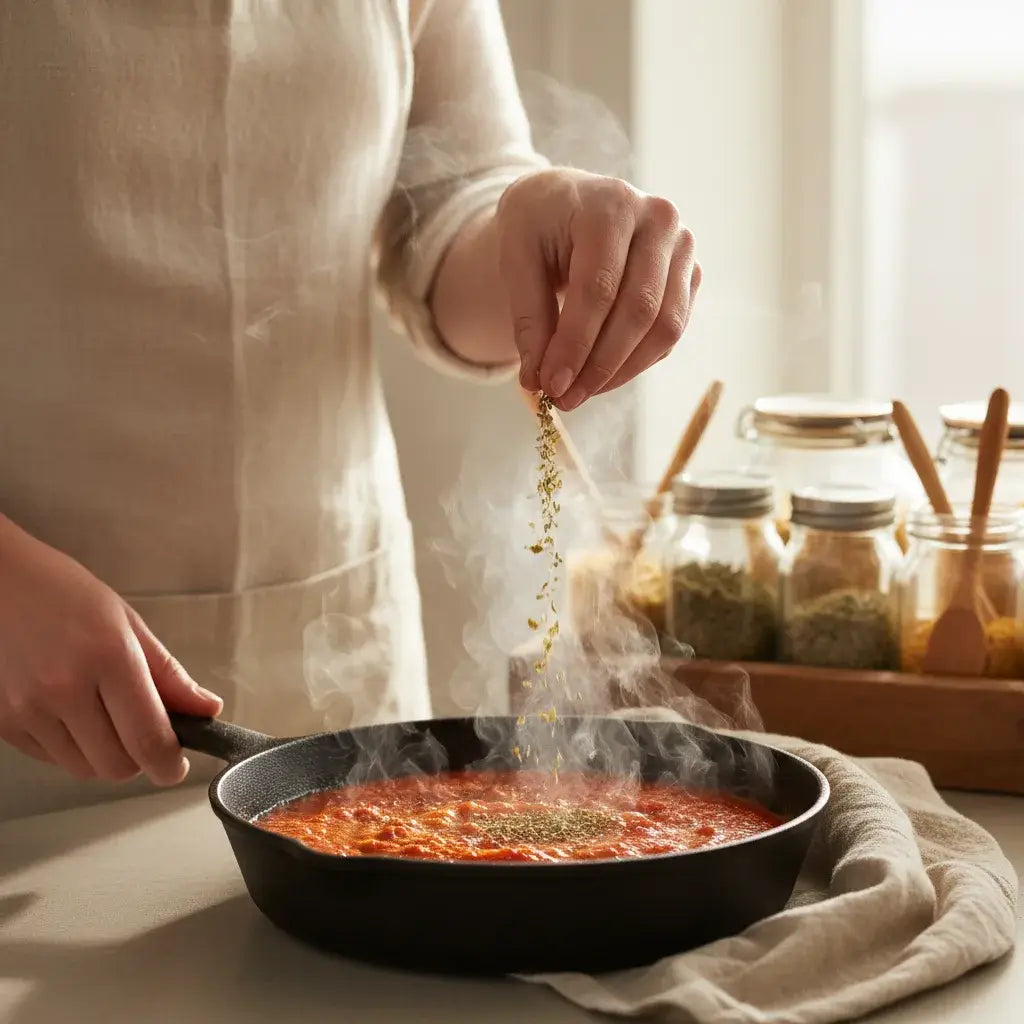
Exploring these classic herbs and spices is an open invitation to discover fresh tastes, connect with global food traditions, and add a spark of creativity to your cooking routine.
FAQs:
- What are the best ways to use herbs and spices for beginners?
Start by adding small amounts to familiar dishes such as soups, roasted vegetables, or teas. Gradually experiment by pairing with different ingredients or making simple seasoning blends.
- How should I store herbs and spices to keep them fresh?
Keep dried herbs and spices in airtight containers away from heat, moisture, and sunlight. Fresh herbs last longer in the refrigerator wrapped in a damp towel or by keeping stems in water.
- How can I use these herbs and spices in teas?
Steep fresh or dried pieces in hot water for 5–10 minutes. Try combinations like ginger and turmeric, or mint and rosemary, adjusting amounts to suit personal taste.
- Are there simple ways to try herbs and spices in my everyday cooking?
Yes, sprinkle ground spices like cinnamon or paprika onto breakfast oats, add basil or thyme to salads, and infuse oils or vinegars with rosemary or garlic for extra flavor.
- Can I substitute dried herbs for fresh herbs?
Yes. Use about one-third the amount of dried as you would fresh, since dried herbs are more concentrated.
Author Name:
Herbal Goodness Editorial Team
Author Bio:
The Herbal Goodness Editorial Team specializes in holistic health and superfoods, blending science and nature to educate and empower our community.
Also Read:
Papaya and Your Dog: Safe Parts, Preparation, and Flavor-First Serving
20 Terms You’ll See When Buying Platelet Boost Supplements Online
7 Myths People Believe When Searching Best Papaya Capsules — A Curious
Alcohol-Free vs CO2 Papaya Leaf Capsules: How to Read the Label
Are Papaya Seed Capsules Safe for Pets? A Guide for Buying and Ingredients Check
Before Buying Papaya Seed Powder: Safety Checks That Matter
Before You Buy Papaya Seed 15X Liquid Extract: Quality Checklist Guide
Share this

Popular posts


FAQs
1. What are the main benefits of drinking bamboo leaf tea?
Drinking bamboo leaf tea supports hydration, relaxation, skin wellness, and antioxidant balance.
2. What is bamboo leaf extract used for?
It’s used for general body wellness, skin elasticity, hair and nail support, and overall vitality.
3. Can bamboo leaf help with skin care and body wellness?
Yes, bamboo leaf is rich in silica and antioxidants, which promote healthy skin, strong nails, and a youthful glow.
4. What forms of bamboo leaf are available?
You can find dried bamboo leaf, powder, extract, drops, oil, and bamboo leaf green tea.
5. Are there any side effects of bamboo leaf?
Bamboo leaf is generally safe when consumed in moderation. Always consult your healthcare provider before starting any new herbal supplement.